The source of demand is changing. A growing share of global real estate capital is now being shaped by wealth creation in the Gulf, and that matters for European lifestyle markets.
What is happening
The Middle East is no longer a peripheral growth story in prime residential development. It is one of the main engines of expansion.
Recent global market data shows the region accounts for 26.7% of branded residence projects in the development pipeline, versus 15.9% of live schemes. That gap matters. It signals not just current momentum, but future weight. At the same time, North America remains the largest existing market, yet its share of pipeline activity is declining from 32.7% of live schemes to 26.2% of future projects. The center of gravity is moving east.
This is visible most clearly in Dubai and Saudi Arabia. Dubai continues to absorb large-scale residential supply while still posting exceptional transaction depth. In the 12 months to the end of June 2025, it recorded US$8.2 billion in US$10 million-plus residential sales, the highest total among the markets tracked. Saudi Arabia is following with a different model, driven by state-backed urban expansion and long-horizon capital deployment.
Behind this growth is a broader wealth shift. In 2024, the population of individuals worth at least US$10 million in the Middle East rose to 47,437, up from 46,199 a year earlier, with further growth projected by 2028. The pace was lower than in the US or Asia, but the absolute direction is clear: more wealth, more confidence, more capacity to own across multiple jurisdictions.
This is not only about local buying power staying local. It is about capital formation reaching a scale where international diversification becomes a normal next step.
Why it matters
Real estate demand usually follows wealth creation with a lag. First capital is built. Then it is organized. Then it looks for diversification, security, lifestyle utility, and jurisdictional balance.
That is where Europe’s established lifestyle destinations enter the picture.
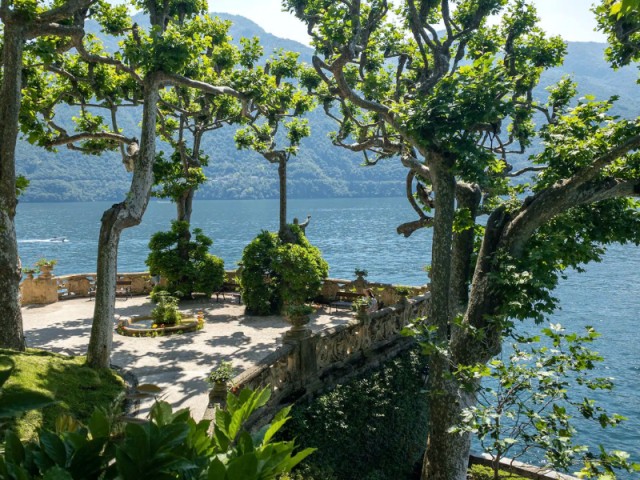
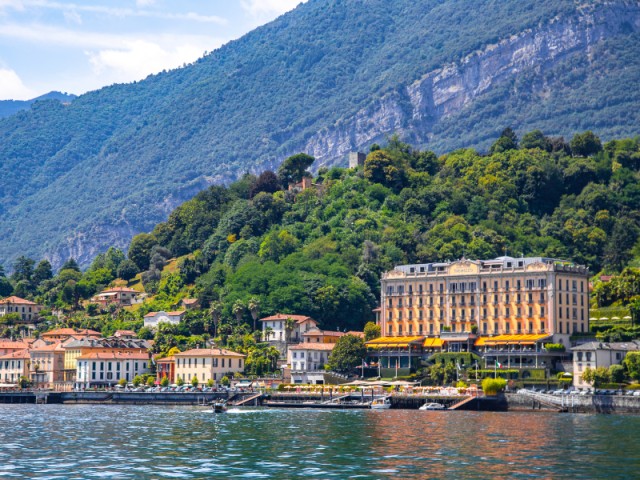
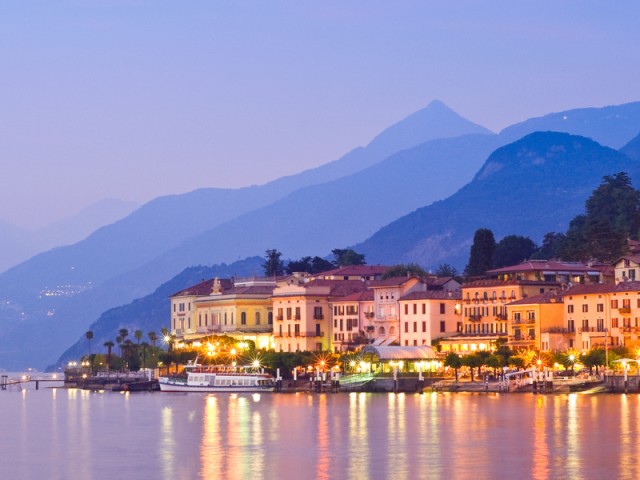
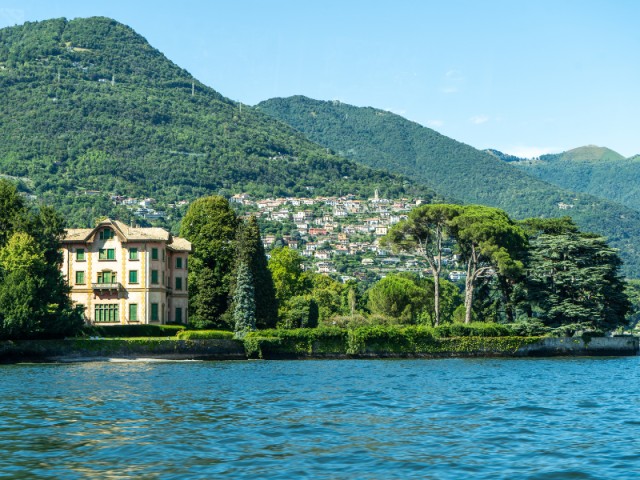
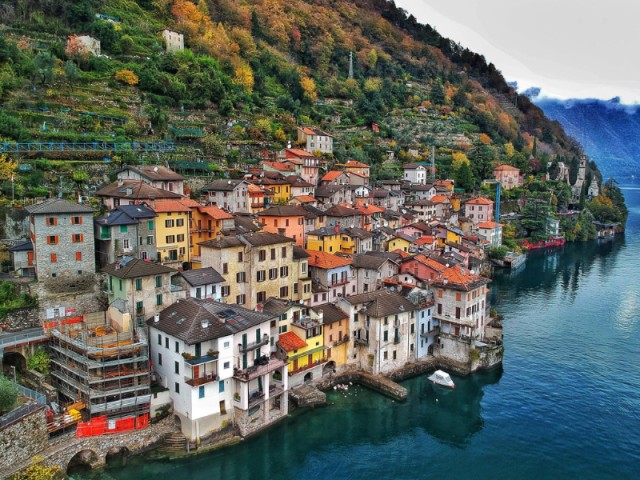
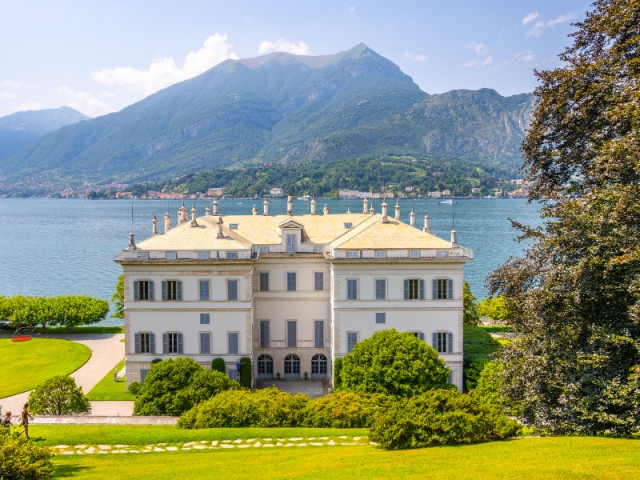
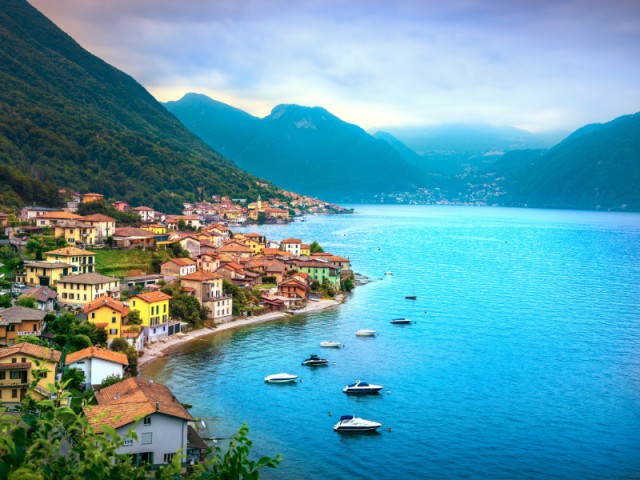
For buyers whose commercial, family office, or operating base sits in Dubai, Riyadh, Abu Dhabi, or Doha, a second residential geography often serves a different purpose from the primary one. It is not necessarily income-driven. It may be seasonal, legacy-oriented, family-centered, or privacy-led. In that context, a property in Lake Como, Tuscany, the South of France, Switzerland, Madrid, or Paris is not competing with a business hub. It is complementing it.
This distinction is important because it changes how one should read demand. A villa in an established European destination is rarely a substitute for a primary urban residence in the Gulf. It is part of a dual-geography ownership pattern: one location for business velocity, one for time, family, and long-term capital preservation.
That ownership pattern is not new. American and European buyers have done this for decades. What is changing is the origin of the capital. As Gulf wealth deepens and institutionalizes, more households and principals are likely to replicate the same structure.
What this changes
For sellers and advisors in Europe, the practical implication is simple: demand should no longer be read only through local or traditional international buyer pools.
A relevant share of future demand may come from buyers whose reference points are not London, New York, or Geneva first, but Dubai, Riyadh, or Abu Dhabi. That affects positioning.
First, assets need to read clearly across borders. Buyers allocating internationally are not buying ambiguity. They need strong title, straightforward ownership structures, transparent operating costs, and a clear explanation of why the asset belongs in a long-term portfolio.
Second, the appeal of lifestyle destinations becomes more strategic when supply is constrained. The same data that shows expansion in the Middle East also highlights how capital is concentrating into recognizable, defensible assets. In practice, that tends to favor rare waterfront homes, estates with privacy, compounds that can support multi-generational use, and properties in locations that are culturally established but physically limited.
Third, the conversation shifts away from pure pricing comparison. A buyer based in a fast-growing Gulf city is often not asking whether a European lifestyle property offers the same momentum as a local development pipeline. The question is different: does this asset perform a different job within a broader life and capital structure?
That is why lifestyle markets should not be framed as discretionary overflow. For a certain category of international buyer, they are strategic holdings.
Key takeaways
- The Middle East now represents 26.7% of global branded residence pipeline activity, well above its 15.9% share of existing schemes.
- Wealth creation in the Gulf is increasing the pool of buyers able to own across multiple geographies.
- European lifestyle properties benefit when capital seeks diversification, family utility, and long-term preservation rather than only yield.
- The relevant buyer model is increasingly dual-geography: business base in a growth hub, lifestyle base in an established European destination.
In thin-supply markets, clear positioning, legal clarity, and asset rarity matter more than broad market storytelling.