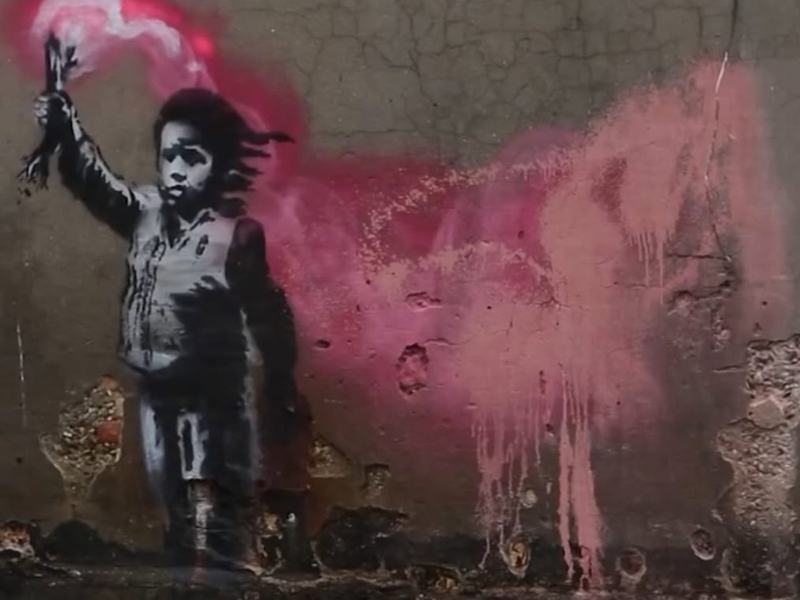
In the delicate ecosystem of Venice, where the salt air and high tides act as slow motion erasers of history, a contemporary icon has just been rescued from the brink.
The story of Banksy’s "Migrant Child" (also known as Naufrago Bambino) has entered a new chapter. One that moves beyond street art into the realm of high-stakes real estate and institutional heritage.
The narrative is currently unfolding in three distinct layers: a high-tech rescue operation, a powerful private-public partnership, and a structural transformation that is turning a decaying 16th-century palazzo into a Zaha Hadid-designed cultural landmark.
The Work and the Emergency Intervention
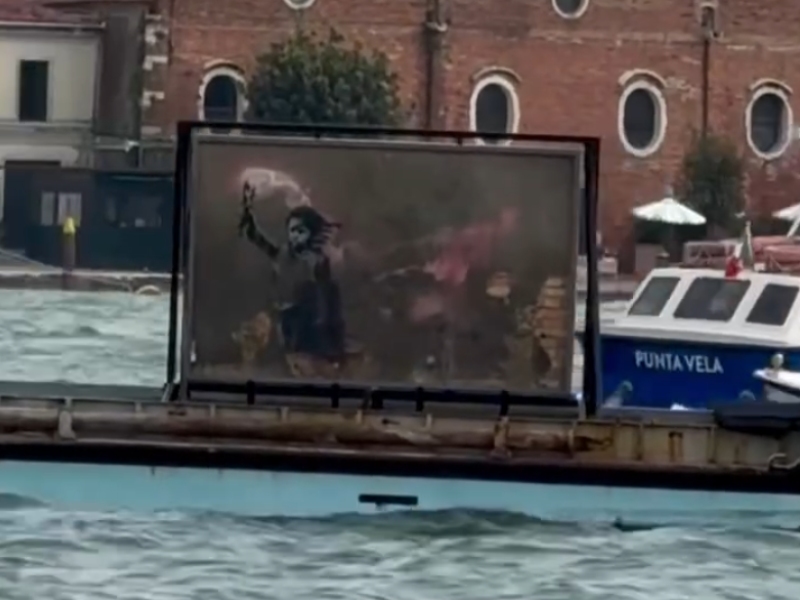
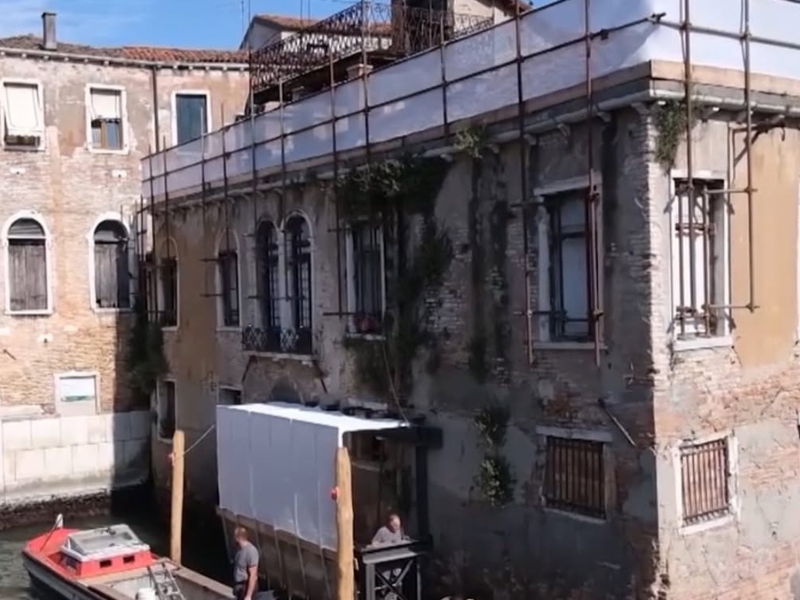
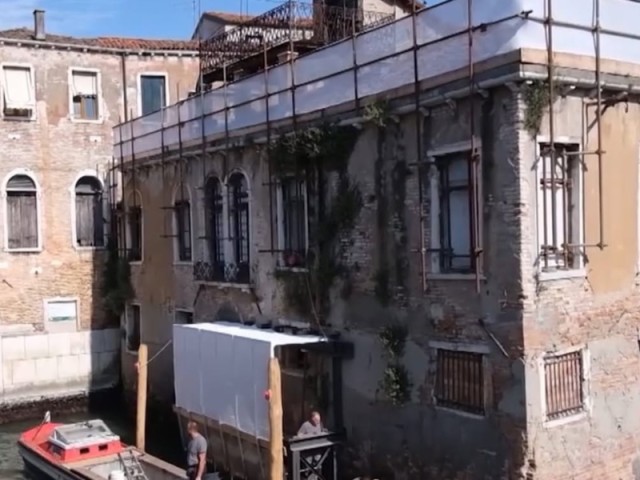
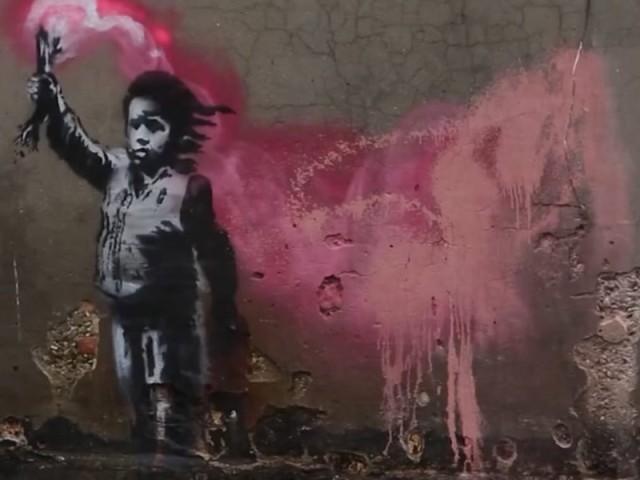
Appearing overnight during the 2019 Biennale, the mural depicting a child in a life jacket raising a pink smoke flare was painted directly onto the canal-facing façade of Palazzo San Pantalon in Santa Croce. Its proximity to the waterline was its poetic strength but its physical undoing. After six years of salt spray and tidal erosion, the lower third of the work had begun to flake away.
The 2026 unveiling marks the culmination of an intervention that began with a rare joint appeal from the Italian Ministry of Culture and the City of Venice, answered by the financial commitment of Banca Ifis .
The Team: A Governance of High Conviction
The operation's success relies on a sophisticated collaboration between finance, architecture, and conservation:
- The Patron: Under President Ernesto Fürstenberg Fassio , Banca Ifis didn't just fund the restoration, they purchased Palazzo San Pantalon itself in 2024. This total acquisition move ensures the artwork remains anchored to its original architectural context.
- The Conservator: Federico Borgogni, an expert in urban street art restoration, led the technical "stacco" (detachment) process, operating with the surgical precision required to lift the entire substrate of the wall rather than just the paint.
- The Architects: Zaha Hadid Architects , working with the local firm Th&Ma Architettura , is leading the wider redevelopment. The palazzo will be transformed into a publicly accessible exhibition space tied to future editions of the Venice Biennale.
The Restoration Timeline
- June 2025 (Securing): Borgogni stabilized the flaking surface in situ to ensure the pigments would survive the movement.
- July 2025 (The Detachment): In a delicate overnight operation, the entire portion of the façade containing the mural was cut and lifted.
- May 7, 2026 (The Unveiling): The restored work was debuted at the Venice Arsenal's Tesa 113 during the "Curated by Heart" event, alongside Nobel laureate Kailash Satyarthi and Veneto President Luca Zaia .
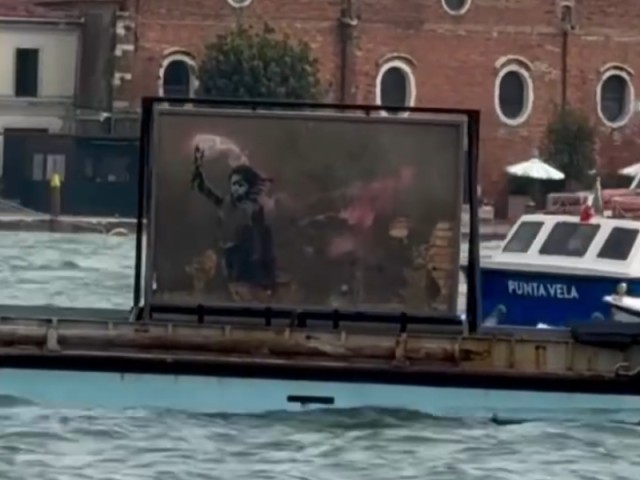
- May 8–9, 2026 (The Canal Tour): In a bold departure from traditional museum displays, the mural traveled through the Grand Canal and St. Mark's Square on a barge returning to the water that once nearly destroyed it as a mobile exhibition.
The Palazzo as a Trophy Asset
This is no longer just an art operation. It is a Real Estate Masterclass.
Palazzo San Pantalon, a pre 19th century construction featuring frescoes by the Salimbeni brothers had been uninhabited and degrading for years. The presence of the Banksy mural provided the "Social IQ" and cultural capital needed to justify a massive €15 million institutional investment.
For the investor, this is the ultimate case study in Replacement Difficulty. By combining a 16th century Venetian structure, a rare Banksy attribution, and a Zaha Hadid intervention, Banca Ifis has created a "trophy asset" that is fundamentally impossible to replicate. It proves that in current times, the most defensible properties are those where heritage preservation acts as a catalyst for modern redevelopment.