New lakefront hospitality development on Lake Como is widely considered almost impossible. Regulatory constraints, planning restrictions, and the scarcity of waterfront land have shifted nearly all recent projects toward restoration or conversion. Faggeto
What is happening
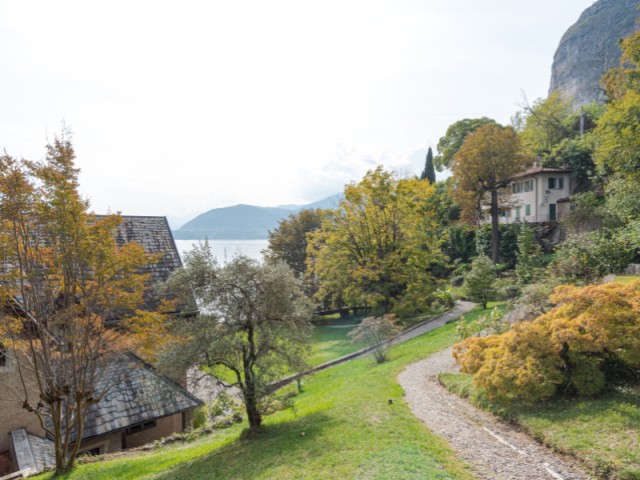
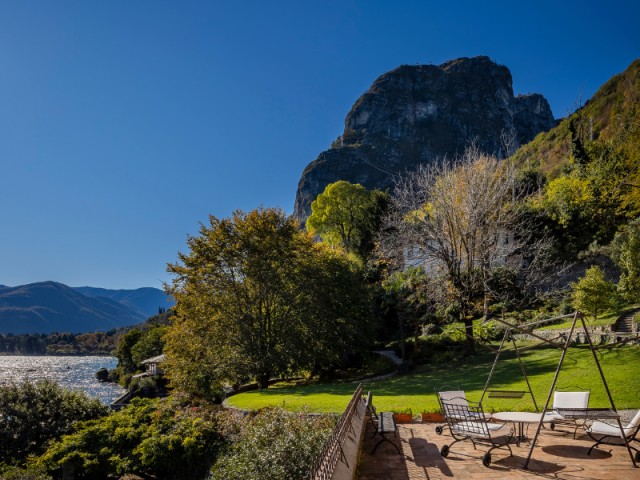
The site sits on the eastern shore of Lake Como, just north of the historic village of Torno. It extends across approximately 27,910 square meters of land, with about 410 meters of direct lake frontage.
Unlike most opportunities on the lake, this is not an existing building requiring renovation or conversion. It is undeveloped land where a hospitality project can be designed and constructed from the beginning.
The defining factor is zoning.
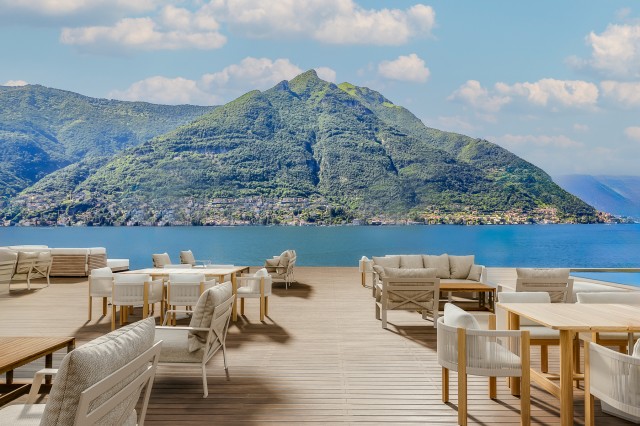
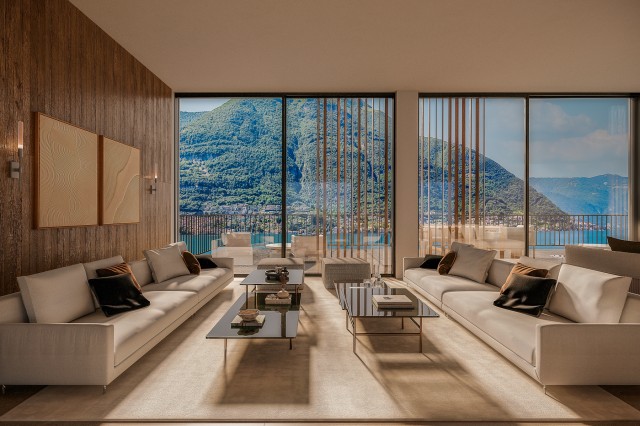
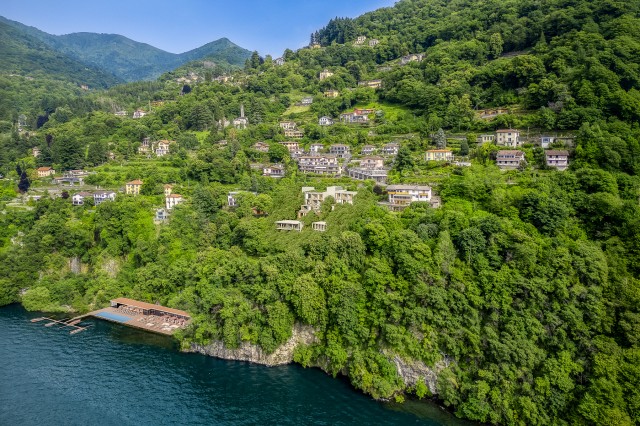
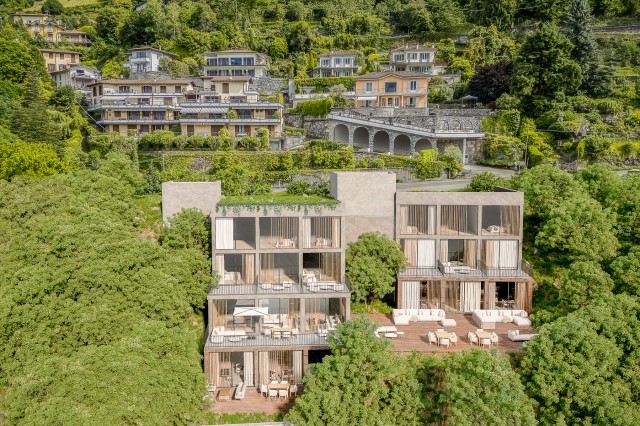
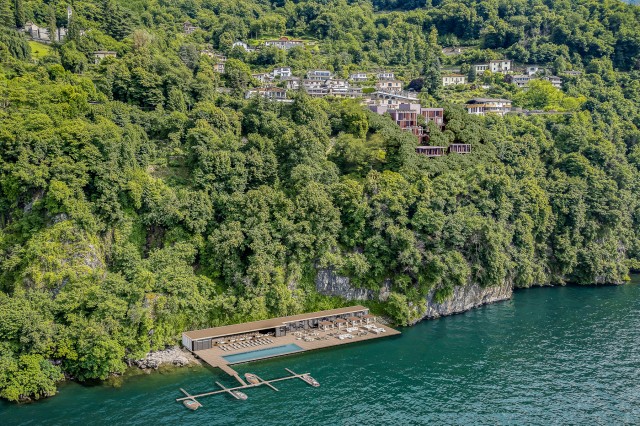
The property is classified ATTR1 under the local Piano di Governo del Territorio (PGT), the municipal planning framework governing land use. ATTR1 designates the site specifically for tourist and hospitality functions, including hotel development or RTA (Residenza Turistico-Alberghiera).
This matters because many hospitality projects on Lake Como require complex changes of use or uncertain planning approvals. In this case, the hospitality function is already embedded in the zoning framework.
Under the current parameters:
- Approved buildable volume: 3,500 cubic meters
- Estimated gross floor area: approximately 1,580 square meters
Development requires the preparation and approval of a Piano Attuativo, an implementation plan developed in coordination with both the Municipality and the Superintendence. While this process is technically demanding, the underlying land use is already confirmed.
On Lake Como, that distinction significantly reduces planning uncertainty.
Location in context
The eastern shore between Como and Bellagio contains some of the lake’s most established hospitality destinations.
This stretch of shoreline is known less for mass tourism and more for privacy, historic villas, and discreet international clientele. Several of the lake’s most important hospitality projects are located here.
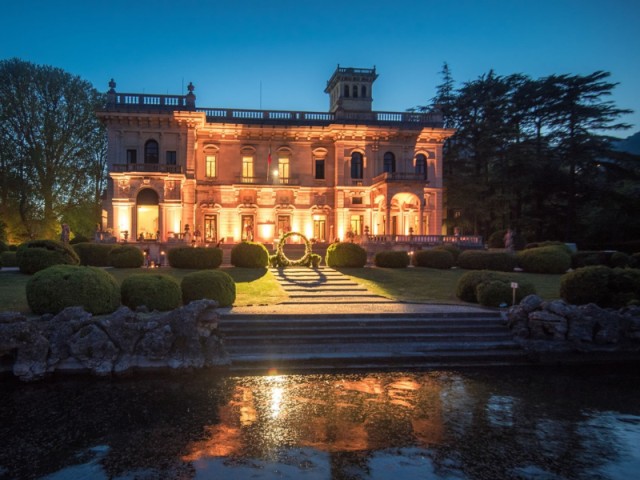
The site in Faggeto Lario sits next to Villa Pliniana, one of the most historic estates on the lake. Today it operates as an exclusive hospitality venue managed by Il Sereno. The repositioning of Villa Pliniana has become a reference case in contemporary hospitality design, combining heritage architecture with modern operational standards.
Further along the same shoreline sits the Mandarin Oriental Lake Como, another landmark property in the five-star segment.
This positioning places the Faggeto Lario site inside an already established hospitality corridor. The difference is structural. The neighboring properties are restored historic estates. This site allows a project to be conceived from the ground up.
Why new-build matters
Most hospitality developments on Lake Como begin with existing buildings.
Historic villas were originally designed as private residences, often centuries ago. When converted into hotels, operators must work within inherited architectural constraints. Room layouts, structural grids, circulation paths, accessibility, and energy systems are defined by the existing structure.
Even highly successful conversions remain shaped by those limitations.
A new-build project operates differently.
The operator or developer can define:
- room configuration
- operational flow
- energy performance standards
- accessibility compliance
- spatial efficiency
- guest experience design
All of these elements can be integrated at the architectural stage rather than adapted afterward.
On a lake where hospitality-zoned waterfront land is extremely limited, the ability to design a project without inherited constraints becomes strategically important.
The scarcity is measurable. Most waterfront parcels on Lake Como are already developed, protected, or zoned exclusively for residential use. Sites with confirmed hospitality zoning and direct lake access are exceptionally rare.
Why it matters
For investors and hospitality operators, scarcity changes how opportunities are evaluated.
In most markets, development sites compete primarily on pricing and projected returns. On Lake Como, the critical constraint is regulatory feasibility. Many theoretically attractive properties cannot be developed because planning frameworks do not allow it.
A site where hospitality zoning already exists shifts the equation.
The value is not just in the physical land but in the regulatory position attached to it. That regulatory position creates a barrier to entry. Competitors cannot easily replicate it elsewhere on the lake.
For hospitality groups expanding in Europe’s resort markets, this kind of positioning reduces the planning risk that often delays projects for years.
What this changes
For developers or operators evaluating Lake Como, opportunities increasingly fall into two categories.
First, conversion projects, which dominate the current market. These involve acquiring historic villas or former private estates and adapting them for hospitality use. While these projects can produce distinctive properties, they require careful architectural compromises.
Second, new-build hospitality sites, which are extremely limited.
Faggeto Lario belongs to the second category.
The strategic implication is clear. Projects built from the ground up can align with contemporary hospitality models from the beginning. This includes energy standards, operational efficiency, branded residential components, and long-term asset management.
Because very few sites offer this possibility, competition for them tends to come from experienced developers, hospitality brands, and family offices familiar with complex planning environments.
Key takeaways
- Lake Como rarely offers lakefront land already zoned for hospitality development.
- The Faggeto Lario site provides 410 meters of waterfront across 27,910 square meters.
- Existing zoning (ATTR1) allows hotel or RTA development without land-use change.
- Buildable capacity is 3,500 cubic meters, about 1,580 square meters GFA.
New-build flexibility removes architectural limits typical of villa conversions.