Lake Como is entering a definitive expansion phase. As the 2026 season approaches, a cluster of new elite hotels and boutique sanctuaries are preparing for their debut.
This pattern marks a structural shift for the Lario, repositioning the lake as a global benchmark for both international brands and independent design-led projects.
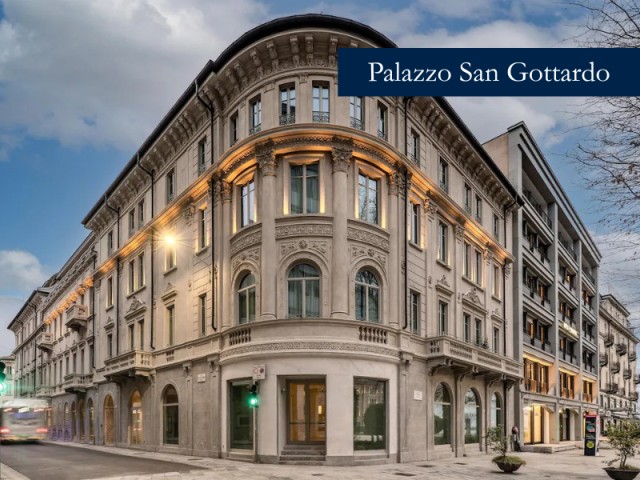
The Urban Reset: Palazzo San Gottardo
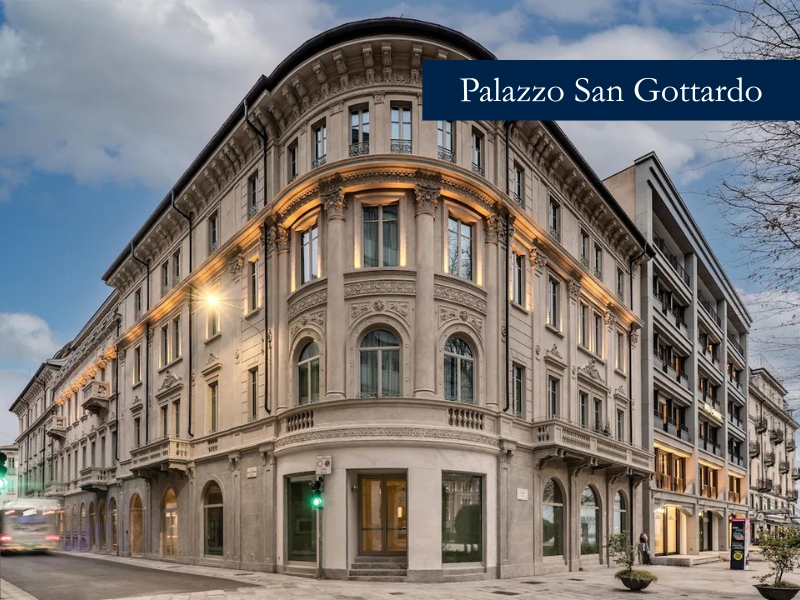
In the center of Como City, a 1920s landmark has been reimagined. Palazzo San Gottardo has officially reopened as a Radisson Collection hotel. Located between Piazza Cavour and Piazza Volta, the restoration preserves the building's original geometric motifs while introducing three high concept dining venues. Its presence brings a new level of institutional confidence to the city's urban core.
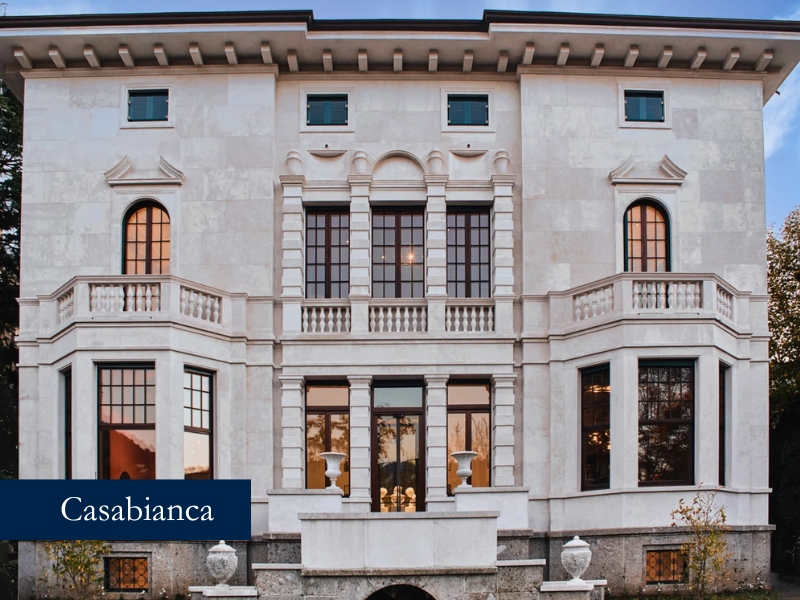
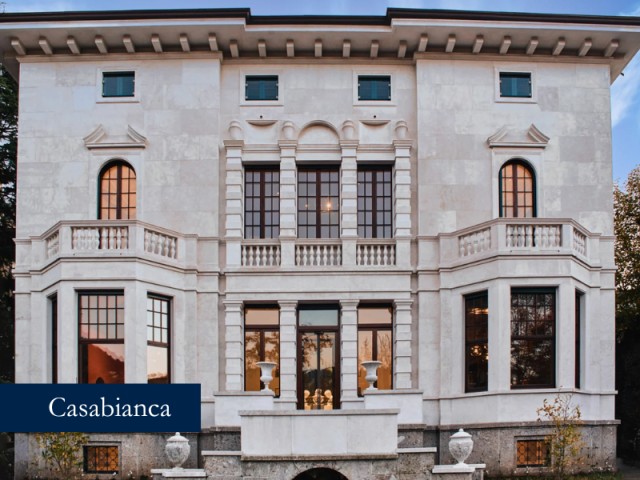
The Art Sanctuary: Casabianca
Steps away on the waterfront, Casabianca introduces a new model for the Lario. Owned by the De Santis family, the visionaries behind Passalacqua and Grand Hotel Tremezzo, this 1930s villa functions as a cultural salon. Combining a private contemporary art collection with a pastry concept managed by the historic Milanese house Cova, it offers an intimate, art centric experience that deviates from traditional hotel formats.
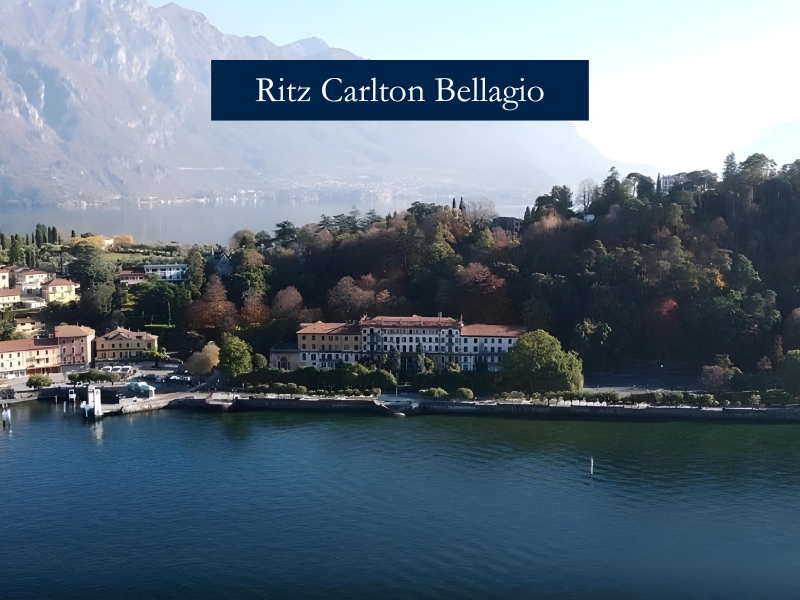
The International Heavyweight: Ritz Carlton
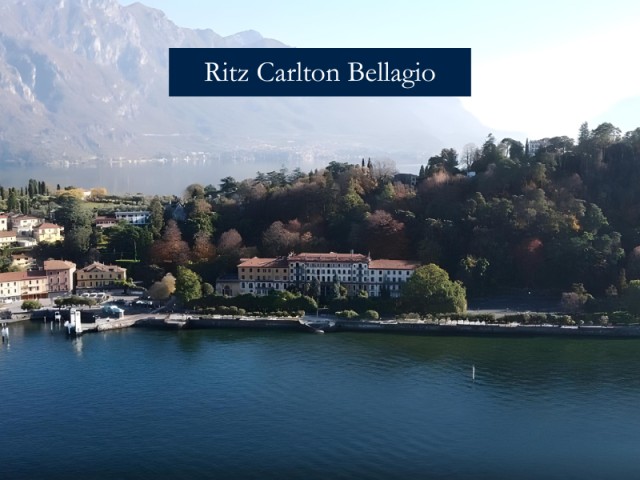
Mid lake, the momentum continues with the March 2026 debut of The Lake Como Edition in Cadenabbia. Housed in a 19th century palazzo, this 148 room project is one of the largest hospitality launches of the decade. Meanwhile, in Bellagio, the development of the Ritz Carlton Bellagio, a restoration of the historic Hotel Grande Bretagne, is slated for late 2026, acting as a future anchor for the town’s waterfront.
A Three Layered Value Model
The 2026 cycle proves that Lake Como is no longer relying solely on a few heritage icons. We are now seeing the perfect integration of three hospitality layers: International Brands, Independent Boutiques, and Chef Driven Destinations. This structural shift effectively extends the season and attracts a diverse profile of global travelers. For property owners, this level of investment in the territory’s infrastructure is the ultimate signal of stability. A destination that continues to innovate within its historical framework is a destination that will always hold its premium status.