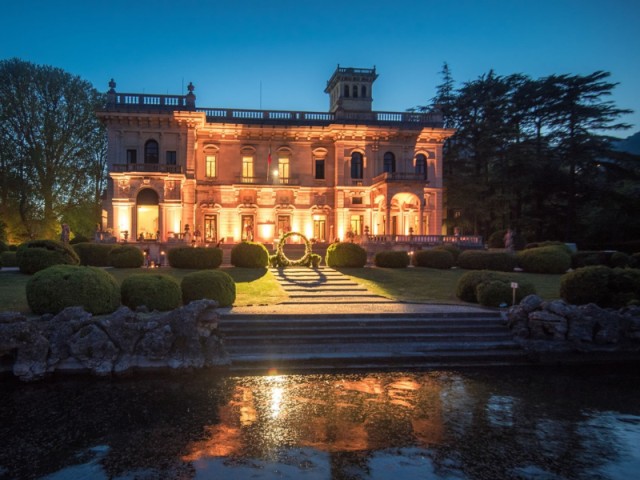
Health is starting to influence where and how affluent buyers choose to live.
Residential demand is no longer shaped only by design, privacy, and location. It is increasingly shaped by whether a property supports long-term physical and cognitive wellbeing.
What is happening
Over the past decade, wellness has moved from the amenity list into the core residential concept. In the global high-end development pipeline, projects are now being designed around health optimisation rather than adding a spa or gym at the end of the process. The shift accelerated after 2017, and wellness-oriented real estate projects have nearly tripled since then.
This is not just about better fitness rooms. The new model brings together residential living, preventive health, and hospitality-style service. Across current projects, the built environment increasingly includes longevity clinics, diagnostic testing, advanced recovery treatments, circadian-aware design, air and water filtration, and programming built around sleep, nutrition, and stress regulation.
In practical terms, that means homes and developments are being specified with features such as:
- air and water purification
- sound-controlled sleep environments
- circadian lighting
- biophilic design
- advanced fitness and recovery infrastructure
- medical monitoring and diagnostics
- nutrition-led food programs
- community-based wellness rituals
The important point is that these elements are no longer being positioned as indulgences. They are being framed as infrastructure for daily health. The language has changed as well. Buyers are not just being sold comfort. They are being sold better sleep, lower stress, improved recovery, and longer healthspan.
That helps explain why the boundaries between home, clinic, and club are starting to blur. In some current developments, residents are offered access to biomarker testing, hormonal health support, functional medicine, recovery therapies, and curated wellness communities within the same ecosystem.
Why it matters
This matters because residential choice is becoming more strategic. Environmental quality is now part of the investment logic.
For years, buyers of second homes or primary residences in lower-density destinations often justified the decision in lifestyle terms: more nature, more privacy, less congestion. What is changing is that these qualities are now increasingly interpreted as measurable health inputs. Access to clean air, lower noise exposure, outdoor movement, water, light, and restorative environments is becoming part of the buying rationale.
That changes how certain markets are evaluated.
Urban centres still dominate for liquidity, connectivity, and business use. But destinations that offer nature, lower density, and a stronger sense of physical restoration can now compete on a different axis. They are no longer just discretionary retreats. They can be positioned as environments that support long-term wellbeing.
For investors and developers, this means the value equation is also shifting. A wellness-led scheme may justify pricing power not only because of finish quality or brand association, but because it aligns with an identifiable demand trend. The more a project can credibly connect its environment, services, and design to health outcomes, the stronger its positioning becomes.
For advisors, the implication is simple: health has become part of the residential brief, whether clients state it directly or not.
What this changes
The first change is in development strategy. Projects that treat wellness as an accessory risk feeling dated. The market is moving toward integration, where the architecture, systems, programming, and service model all support the same objective.
The second change is in pricing logic. Buyers may still pay a premium, but they are becoming more selective about what creates value. Wellness only works commercially when it is credible, operationally deliverable, and embedded in daily use. A generic spa does not do that. A coherent health-focused ecosystem can.
The third change is geographic. Locations with environmental quality, outdoor activity, and lower-density living may become more relevant in cross-border residential decisions, especially for buyers thinking in terms of family use, recovery, seasonal living, and long holding periods.
The fourth change is in asset positioning. Properties that naturally offer light, air, water access, movement, privacy, and contact with nature now have a clearer narrative framework. These are no longer secondary qualities. In the right context, they are central to demand.
This does not mean every buyer is purchasing a residence as a health product. That would be too strong. But it does mean preventive health is becoming one of the filters through which higher-end property is assessed.
Key takeaways
- Wellness has moved from amenity to core residential concept.
- Health-focused real estate projects have nearly tripled since 2017.
- Buyers increasingly treat air, nature, and lower density as health assets.
- The line between residence, clinic, and hospitality is becoming less distinct.
- Environmental quality is becoming part of long-term location strategy.