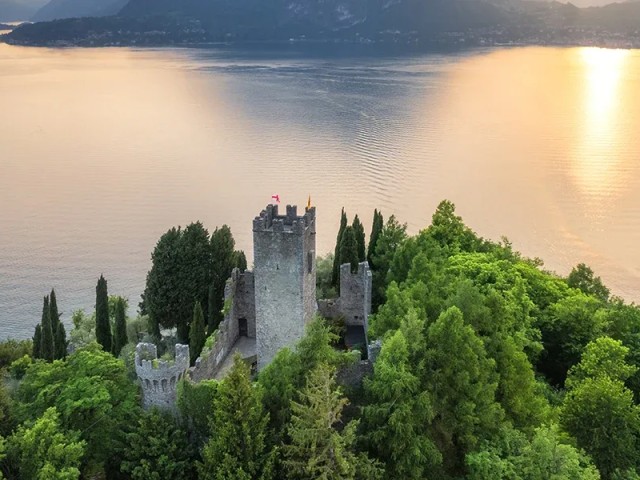
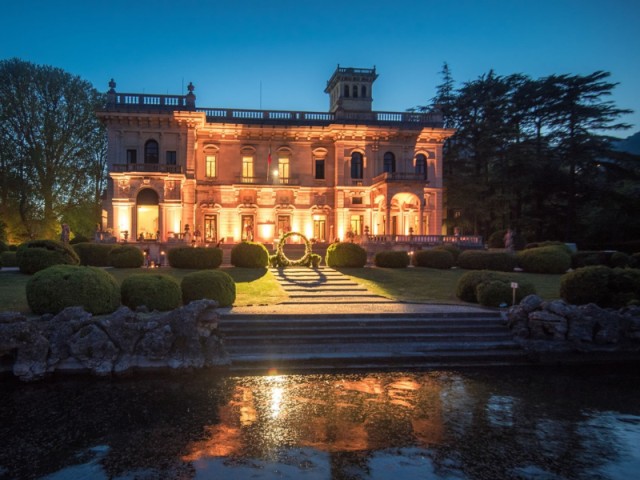
On the eastern shore of Lake Como, the town of Varenna holds one of the most structurally significant estates on the Lario: Villa Monastero.
This complex, stretching for over a kilometer along the water, is a rare example of a property that has successfully transitioned from a medieval spiritual center to an architectural and scientific landmark. Its enduring value is rooted not in its role as a destination, but in the layers of history, design, and topography that define its identity.

A Journey Through Layers of History
The name itself provides a clue to the villa’s origins as a Cistercian convent dedicated to St. Mary Magdalen, founded before 1200 by refugees from the destroyed Isola Comacina. The site remained a religious sanctuary for centuries until 1567, when the convent was dissolved and the transition toward a residential identity began.
In 1645, the Mornico family converted the old cloisters into an expansive abode, permanently altering the architectural footprint of the site. Over the following centuries, owners such as the German Kees family enriched the grounds with a global botanical collection. By 1925, the naturalist Marco De Marchi donated the estate to the state, solidifying its current role as a center for the National Council of Research (C.N.R.) and preserving it as an institutional anchor on the Lario.
The Casa Museo and the Dialogue with Nature
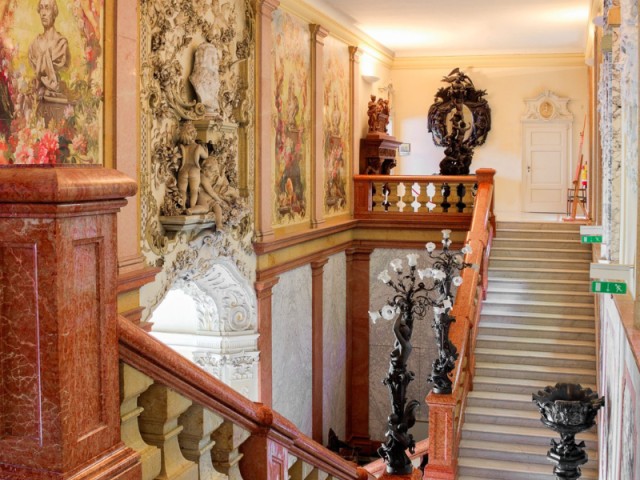
The interior of the villa, functioning as a Casa Museo since 2003, preserves 14 rooms furnished with original objects and period furniture. This collection offers a transparent record of the noble families who shaped the estate, maintaining the artistic and structural integrity expected of a heritage site.
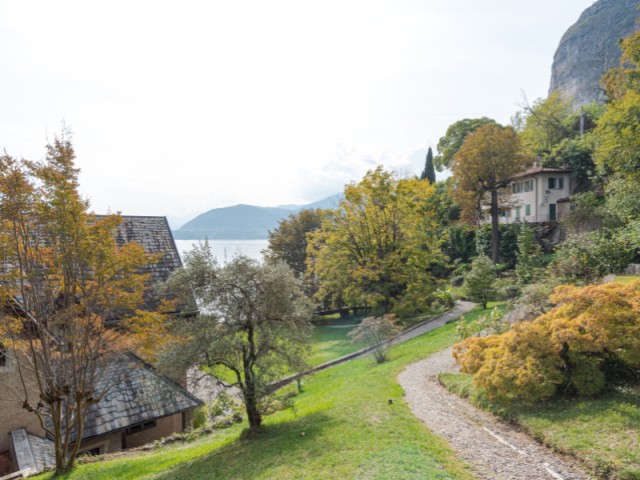
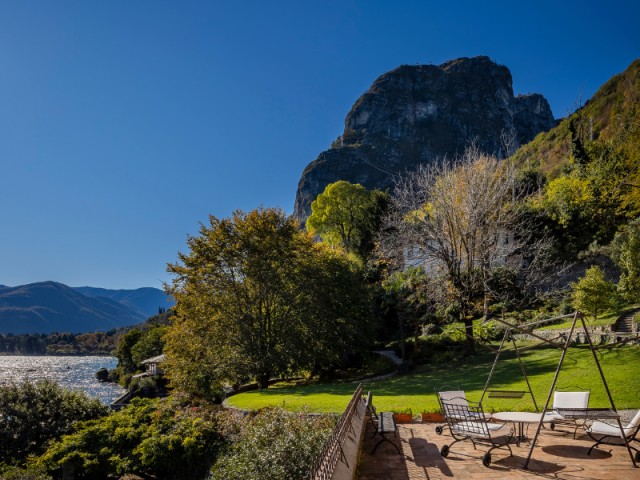
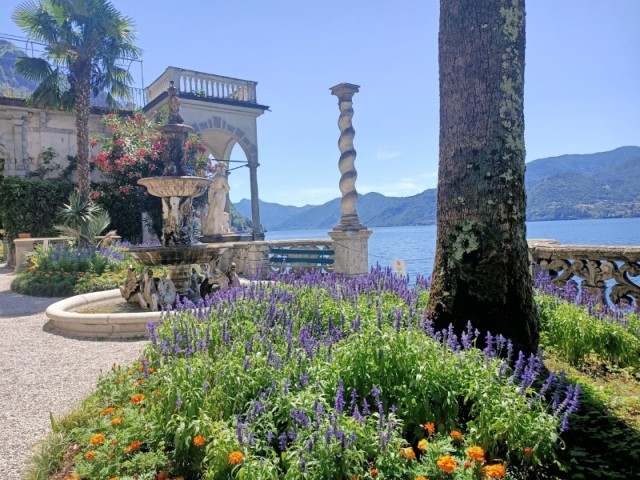
The true protagonist, however, is the Botanical Garden, which utilizes a unique microclimate to sustain a blend of Mediterranean and tropical flora.
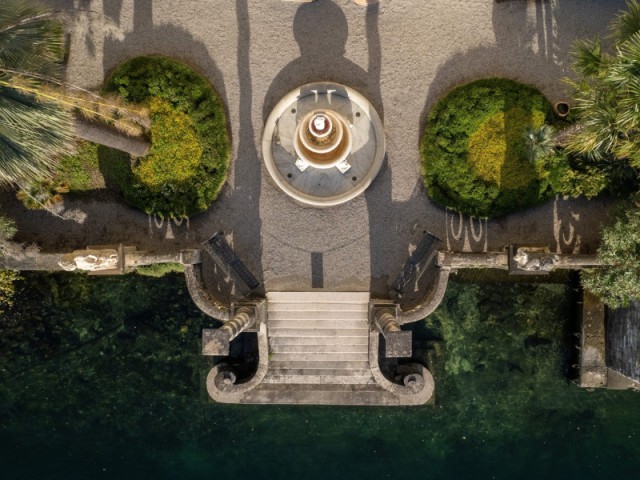
- The Landscape: Citrus groves, cypresses, agaves, and ancient pines frame the kilometer-long lakeside path.
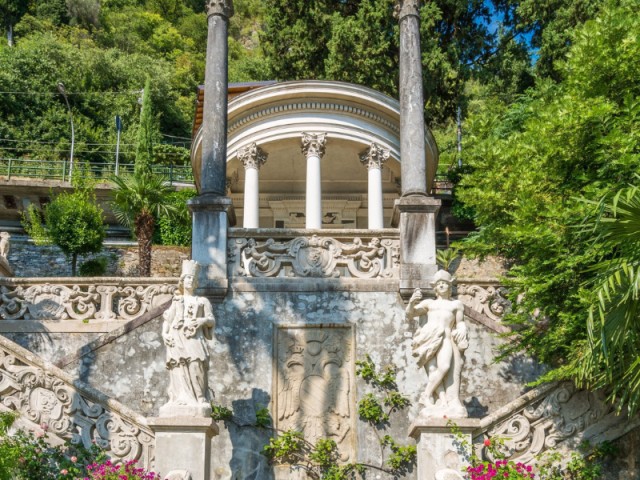
- Structural Art: Paths are punctuated by statues and bas-reliefs, creating a deliberate dialogue between the structured stonework of the garden and the fluid beauty of the lake.
- Cultural Legacy: The garden’s precise geometry and melancholic atmosphere famously inspired the writer Antonio Fogazzaro, serving as the setting for his theatrical work Nadejde.
Villa Monastero stands as a benchmark for Reputational Value. While much of the global focus remains on the western shore, Varenna offers a different kind of architectural stability. This villa proves that the most defensible assets are those with deep, multi-layered histories.
For the resident or investor, Villa Monastero is a reminder that the value of Lake Como real estate is inextricably linked to its cultural infrastructure. A property in Varenna benefits from its proximity to these public treasures, which ensure the town remains a site of intellectual depth. In a selective market, being a neighbor to a former convent turned international research center is a strong signal of long term cultural and social security.