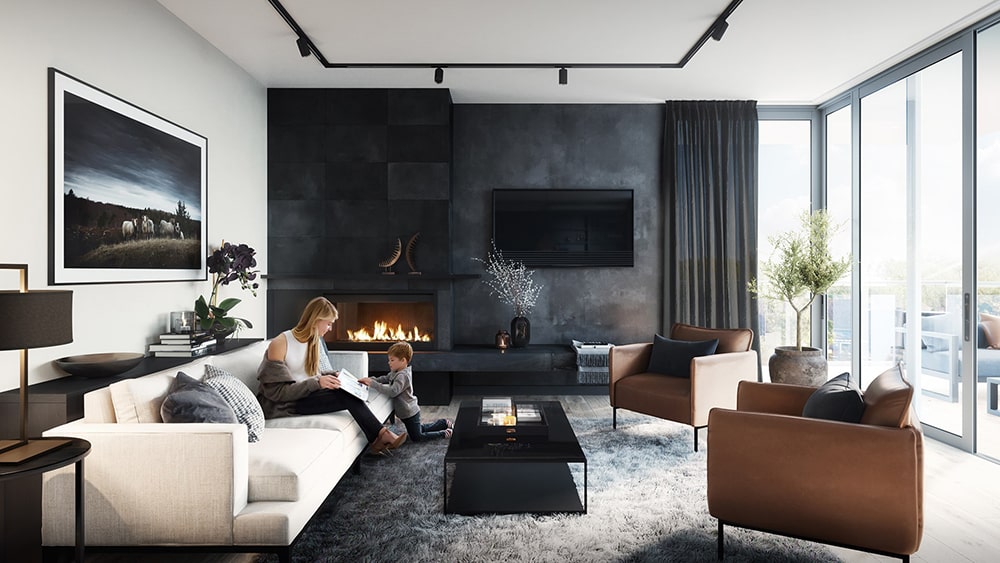
Today, the most defensible real estate assets are those that offer Community as a Product.
For decades, the top end of the residential market was defined by a checklist: square footage, finish quality, and view corridors. In 2026, that logic has shifted. Amenities are no longer enough to command a premium. Today, the most defensible real estate assets are those that offer Community as a Product.
This transition from "amenities to communities" is a structural change in how high net worth individuals evaluate secondary and tertiary homes. When a buyer already owns multiple properties, a new residence is no longer judged by its architecture alone, but by its ability to create a functioning social environment that encourages them to return and stay longer.
The Shift: From Infrastructure to Interaction
The data shows a massive expansion in the branded residence sector, growing from 169 schemes in 2011 to over 1,000 forecast by 2030. In this crowded market, design and service are the baseline. Differentiation now comes from social infrastructure: private members’ clubs, resident dining, wellness hubs, and curated cultural programming.
This isn't just about building a gym or a spa; it is about building a shared behavioral system. Wellness-oriented projects have tripled since 2017 because they now combine health facilities with classes, rituals, and memberships that bring owners into repeated contact with one another. Community is not a marketing layer in 2026; it is an operating model.
The Value Equation: Why It Matters
Community influences property value in three distinct, measurable ways:
- Usage and Retention: A property integrated into an active local ecosystem gets used more often. When there is credible dining, marina access, and recurring events, owners stay longer. This consistent occupation supports both owner satisfaction and long-term pricing resilience.
- Structural Insubstitutability: A purely physical asset can be compared line-by-line against a neighbor with similar square footage. A home inside a functioning micro-community is far harder to substitute. In thin markets, this narrative scarcity is what drives liquidity.
- Justified Premiums: Today’s buyers are value-conscious regarding service charges and operating quality. They will only pay a premium when the "club" or "social hub" feels real and operational, not decorative.
The Micro-Location Evolution
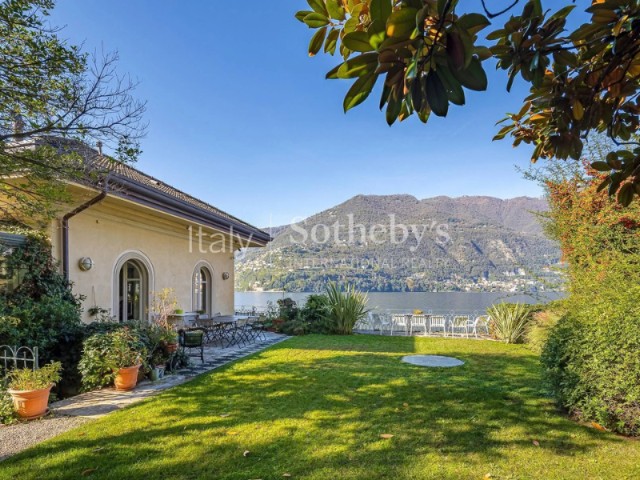
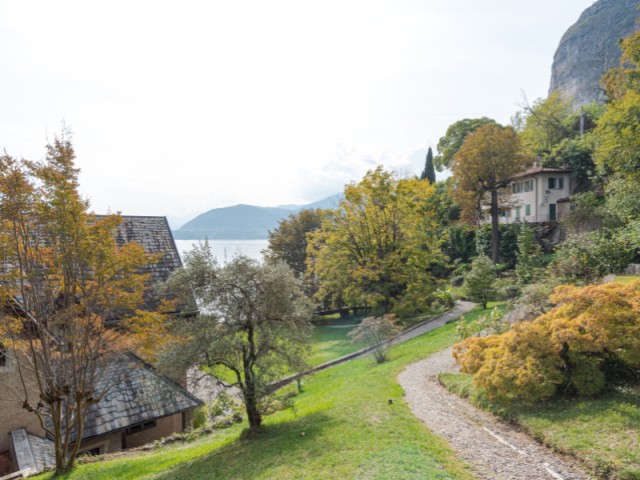
In 2026, we must re-evaluate how we define "location." It is no longer just about geography; it is about Social Proximity. Two villas on Lake Como with identical views will not perform the same way if one is isolated and the other sits within walking distance of a vibrant social anchor, a trusted concierge network, and a destination-grade restaurant.
When I advise investors, the question is no longer "Does it have a spa?" The question is "Is the spa used?" Does the development connect to the neighborhood or isolate itself from it? A club is only an asset if it creates a reason to exist. In a market where branded supply is scaling fast, the properties that defend their pricing are those that combine physical excellence with a credible, lived-in social environment. On the Lario, as in any elite market, belonging is the new benchmark.