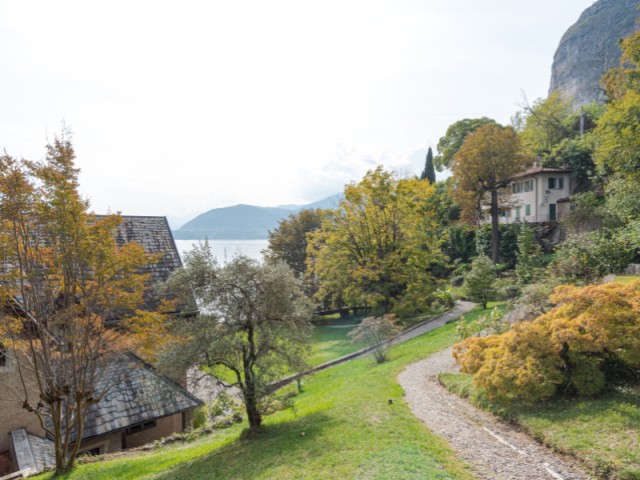
The peninsula of Dosso d'Avedo juts into the western arm of Lake Como like a quiet declaration. From its tip, two panoramas open simultaneously: north toward the alpine peaks and south along the water's long, reflective corridor. Standing there, the impulse to build something permanent is entirely understandable. Franciscan monks understood this in the 13th century. Cardinal Angelo Maria Durini understood it in 1785. And today, anyone who studies the ultra-prime market in northern Italy understands that properties carrying this depth of provenance represent a category of their own.
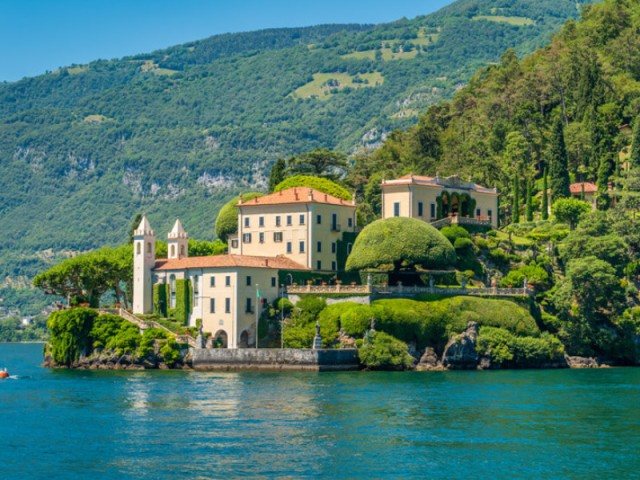
Villa del Balbianello sits 1,500 meters east of Isola Comacina in the comune of Lenno, province of Como. It is among the most architecturally and historically significant private estates on the lake, and its story illuminates exactly why Lake Como waterfront properties hold a value that conventional real estate analysis consistently underestimates.
From Monastery to Cardinal's Retreat
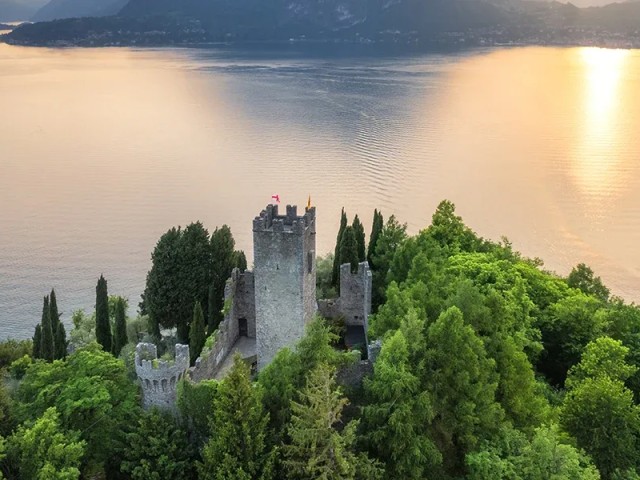
The site's documented history begins in the 13th century, when a Franciscan order established a monastery on the wooded tip of Dosso d'Avedo. The two towers still visible on the property today are the remnants of the campanili from that original church, stone witnesses to nearly 800 years of continuous human presence on this peninsula.
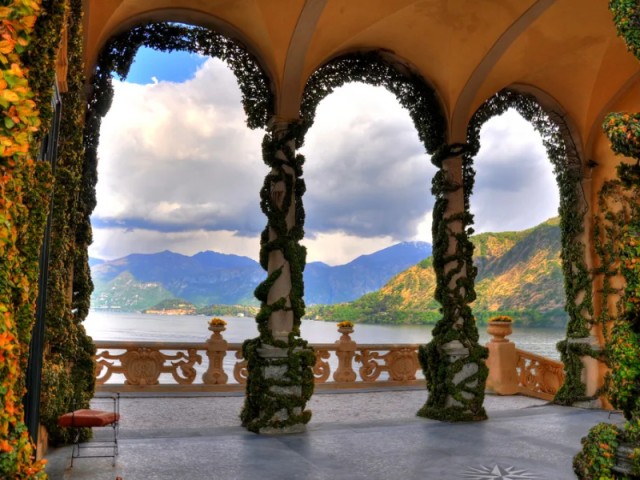
In 1785, Cardinal Angelo Maria Durini acquired the property after failing to secure the nearby Isola Comacina. Two years later, he converted the monastery structure into a summer villa and added a defining architectural feature: a loggia positioned to capture two distinct lake panoramas from a single vantage point. That loggia remains one of the most celebrated architectural gestures on Lake Como, a deliberate framing of landscape that demonstrates the cardinal's sophisticated spatial thinking. After Durini's death in 1796, the estate passed to his nephew, Luigi Porro Lambertenghi, under whose ownership the villa became a gathering point for Risorgimento intellectuals and patriots.
Gardens, Ownership, and a Legacy Sealed in Stone
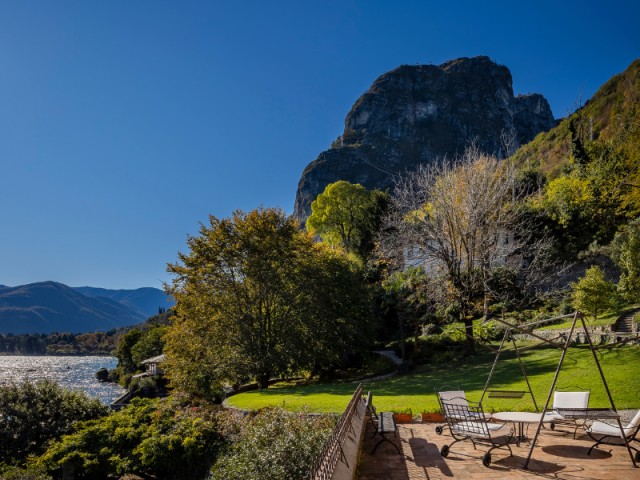
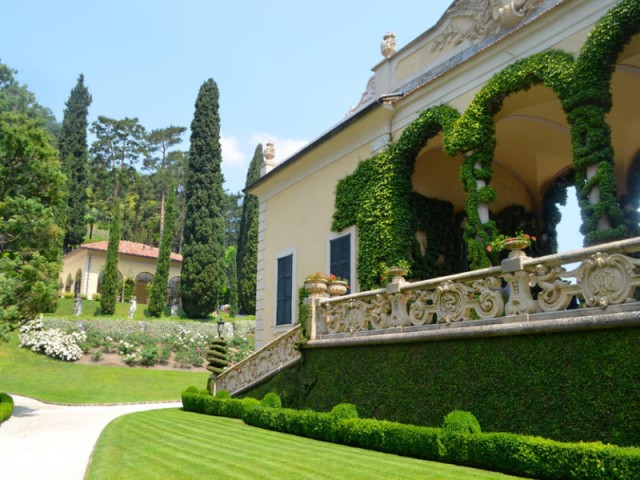
The villa's elaborate terraced gardens define its visual identity. Designed to cascade down toward the water across multiple levels, the gardens integrate sculptural elements, formal plantings, and framed views in a way that few Italian lakeside estates have matched. Each terrace functions both as a garden space and as an architectural event, with sightlines carefully composed to deliver the lake at unexpected angles.
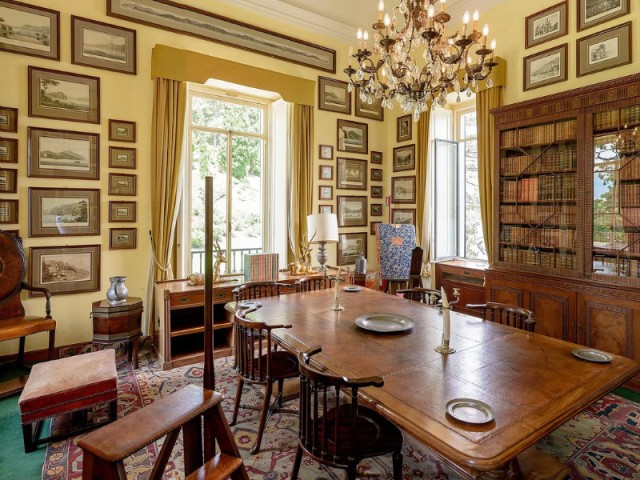
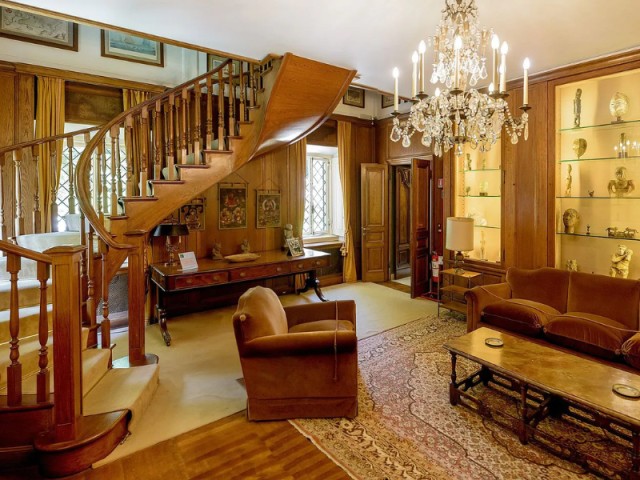
The villa's most recent private owner, Guido Monzino, was an explorer and collector who led the first Italian ascent of Everest in 1973. He transformed Balbianello into a personal museum of his expeditions, filling its rooms with maps, instruments, and artifacts. Upon his death in 1988, Monzino bequeathed the entire estate to FAI, the Fondo Ambiente Italiano, ensuring its preservation in perpetuity. The property is now open to the public and remains one of the most visited historic sites on the lake.
What Balbianello Tells Us About Como's Ultra-Prime Market
Villa del Balbianello has appeared in two major film productions: the 2006 James Bond film Casino Royale and Star Wars Episode II: Attack of the Clones. That cinematic visibility reflects something the ultra-prime market already knows: this estate operates at a level of cultural prestige that transcends regional comparisons.
For buyers and investors tracking the Lake Como market, Balbianello functions as a reference point rather than a transaction. It represents the ceiling of what historic provenance, architectural integrity, and geographic placement can produce together. Properties sharing even one or two of those characteristics, notably documented heritage or direct water access, consistently command premiums that Knight Frank's European residential data projects will hold firm through 2026 and beyond. Fewer than 30 waterfront properties of any comparable distinction trade on the lake annually, and the pipeline of new inventory at this level is, by definition, closed.
A Property That Time Has Already Validated
Some estates appreciate financially. Others accumulate significance across generations in ways that no market cycle can diminish. Villa del Balbianello belongs to the second category entirely, which is precisely why understanding it matters to anyone serious about Lake Como real estate.