How a Cernobbio Villa became the stage for the Ambrosetti Forum and the Concorso d'Eleganza
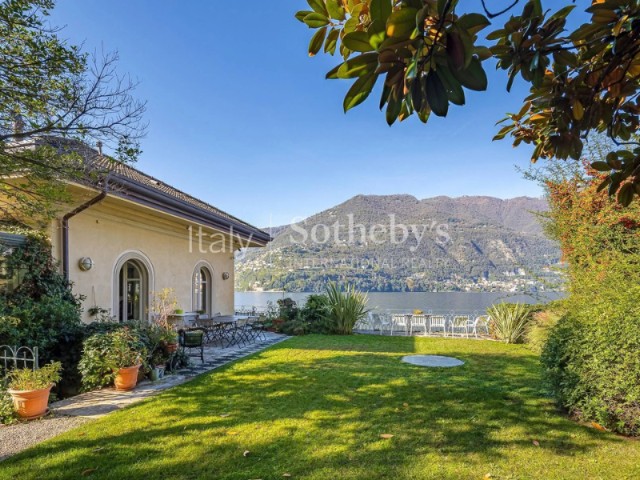
Nestled along the shimmering shores of Lake Como, Cernobbio is a name that immediately evokes images of Old World Italian glamour, dramatic alpine backdrops, and modern geopolitical influence. At the absolute heart of this reputation sits Villa Erba.
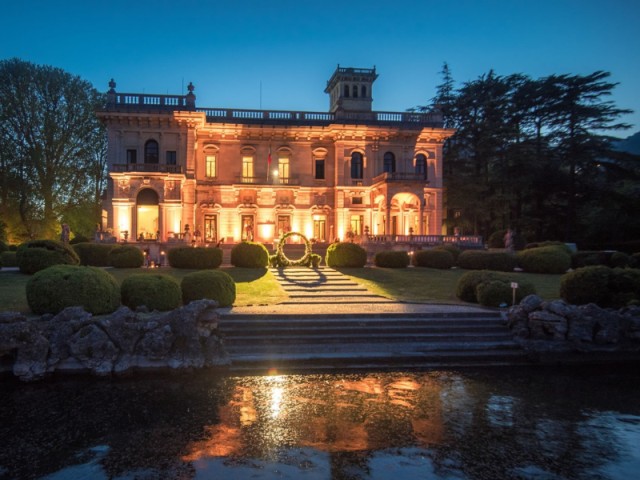
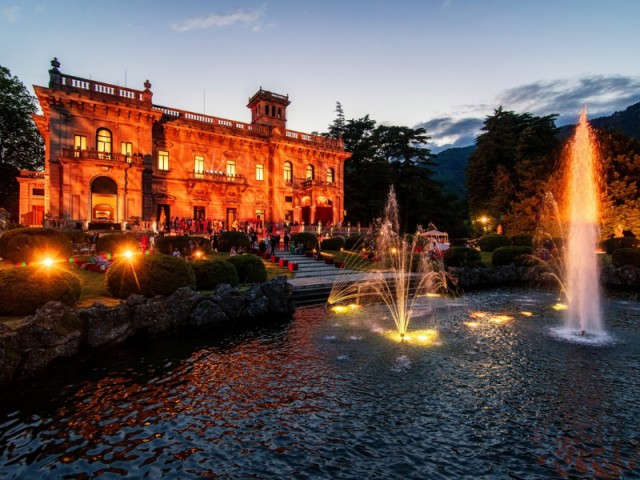
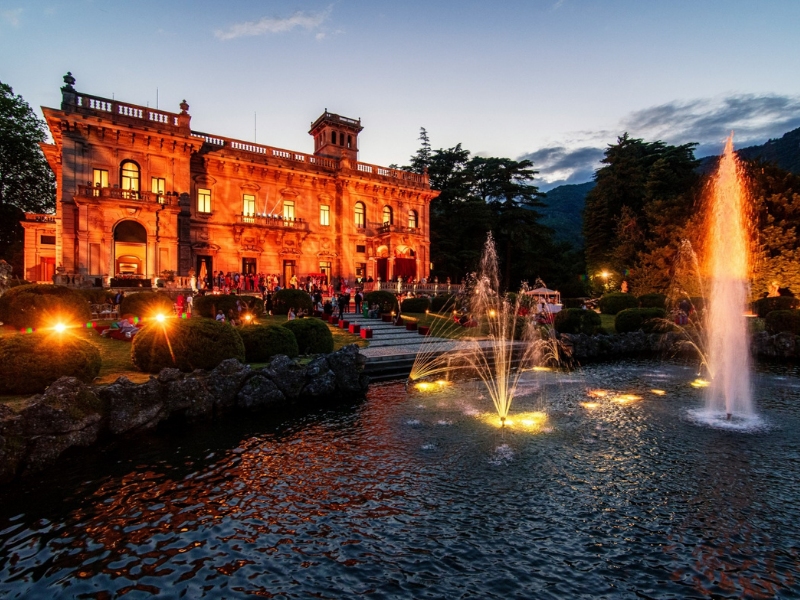
While many historical villas throughout Europe survive simply as static museums, Villa Erba has pulled off a remarkable historical pivot. Built in the late 19th century as an opulent family estate inspired by the grand Mannerist architectural style, it has seamlessly evolved into one of the world's most exclusive hubs for global diplomacy and elite automotive heritage.
Here is the story of how an architectural love letter to Italy’s past became the ultimate contemporary stage for the prestigious Ambrosetti Forum and the breathtaking Concorso d’Eleganza Villa d'Este.
The Roots: A 19th-Century Tribute to Mannerism
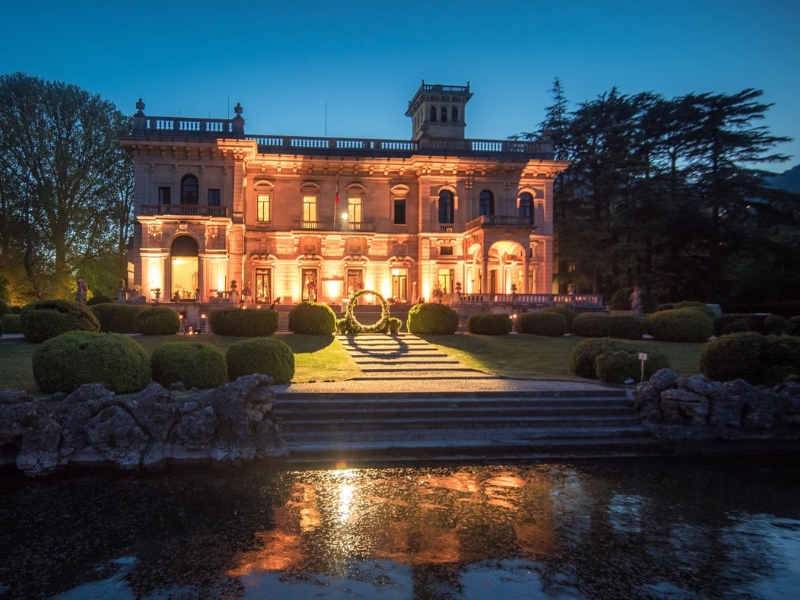
To understand the prestige of Villa Erba, one must look at its foundations. The estate was built between 1886 and 1892 by Luigi Erba, brother of the prominent pharmaceutical tycoon Carlo Erba, who wanted a residence that would showcase his family's immense wealth and artistic sophistication.
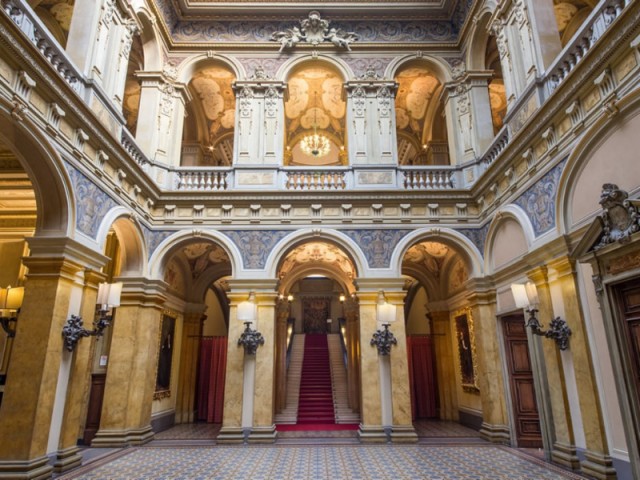
Luigi Erba commissioned the prominent architects Angelo Savoldi and Giovan Battista Borsani to design the estate. Rather than opting for the simpler neoclassical trends popular at the time, they drew heavily from Mannerism and the late Renaissance. The resulting villa features:
- A towering, ornate facade heavily adorned with intricate stone carvings.
- An iconic, dramatic lookout tower (torretta) offering panoramic views of Lake Como.
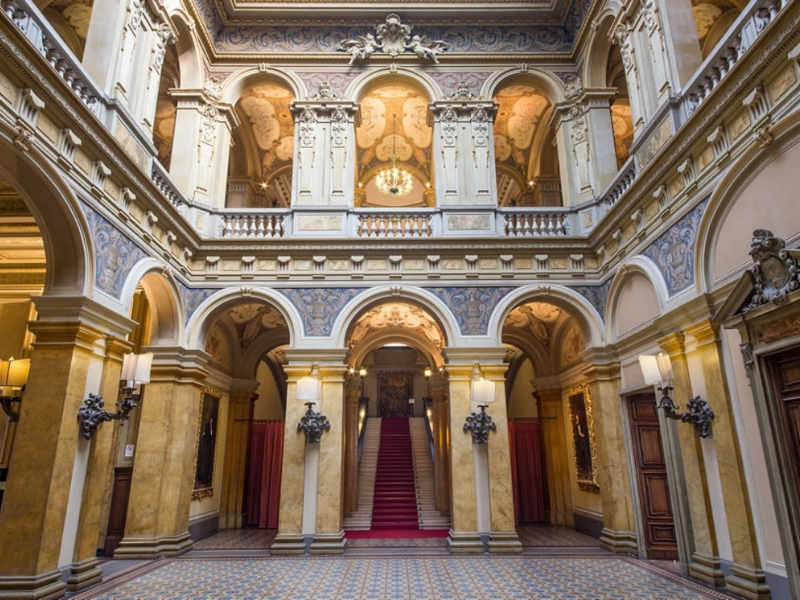
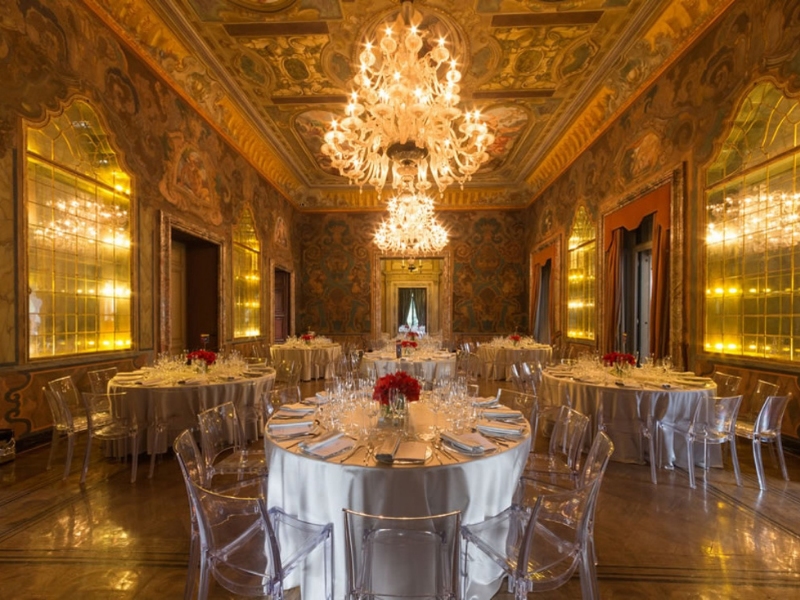
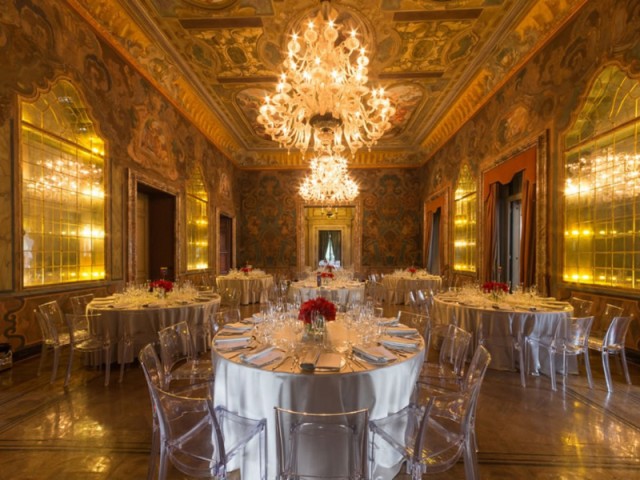
- Grand ballrooms filled with exquisite frescoes, elaborate stuccowork, and inlaid wood floors.
The estate eventually passed to Luigi’s daughter, Carla Erba, who married Duke Giuseppe Visconti di Modrone. Their son, Luchino Visconti, would grow up spending his summers at the villa. Visconti went on to become one of Italy's most celebrated avant-garde cinema directors (The Leopard, Rocco and His Brothers). It is widely noted that the lush, dramatic aesthetic of Villa Erba deeply influenced his cinematic vision, and he even returned to the estate later in life to edit some of his final masterpieces.
The Modern Transformation: Blending the Historic and Contemporary
By the late 1980s, the estate shifted from a private family sanctuary to a world-class public asset. Recognizing the villa's unique placement, a consortium acquired the property to transform it into a premier international exhibition and congress center.
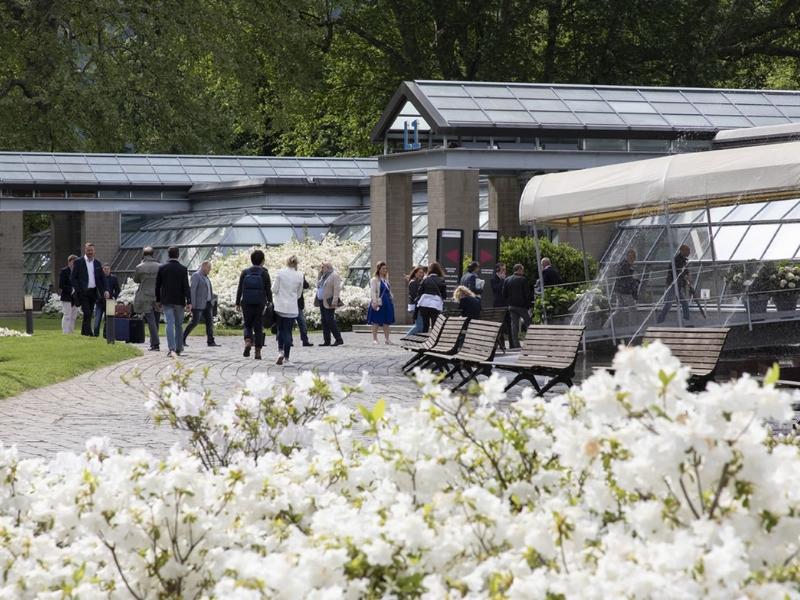
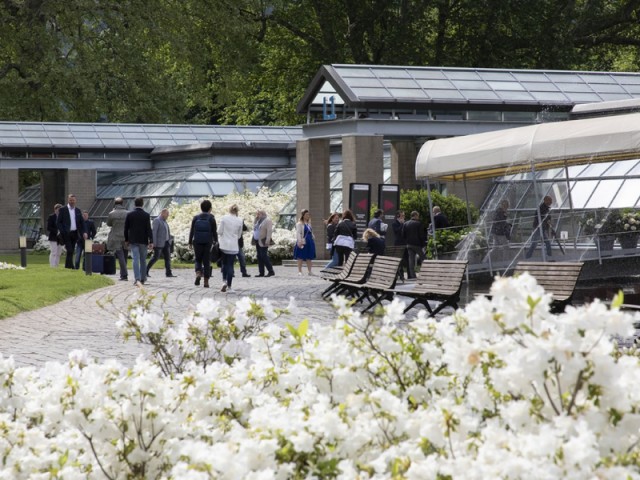
Rather than altering the historic architecture, architect Mario Bellini was brought on to design a futuristic, glass and iron exhibition pavilion within the villa’s botanical park. Shaped like a greenhouse to complement the surrounding centuries-old trees, this glass structure allows Villa Erba to host thousands of international guests while preserving the intimate charm of the original 19th-century manor.
The Stage for Global Power: The Ambrosetti Forum
Every September, the eyes of the financial and political world lock onto Cernobbio. While the historic The European House, Ambrosetti Forum, is primarily anchored at the neighboring Villa d’Este, Villa Erba plays a crucial role in accommodating the massive influx of heads of state, CEOs, Nobel laureates, and global policymakers.
The villa’s grand rooms and modern exhibition spaces serve as secure, high-profile venues for intense geopolitical debates, tech summits, and bilateral trade talks. In an era dominated by sterile convention halls, the Mannerist backdrop of Villa Erba offers a poetic reminder of Europe’s deep cultural history, injecting a sense of timeless gravity into fast-paced modern economic discussions.
The Stage for Ultimate Luxury: Concorso d’Eleganza Villa d’Este
If the Ambrosetti Forum represents the brain and muscle of global influence, the Concorso d’Eleganza Villa d’Este represents its pure, unadulterated beauty.
Held annually, the Concorso is arguably the most exclusive vintage car exhibition on Earth. While Villa d'Este hosts the historic judging, Villa Erba takes center stage for the public days and elite auctions.
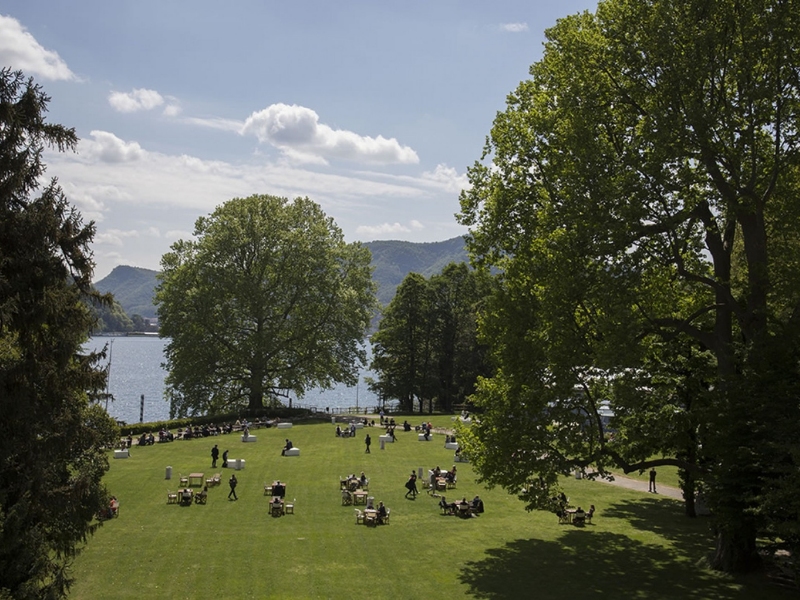
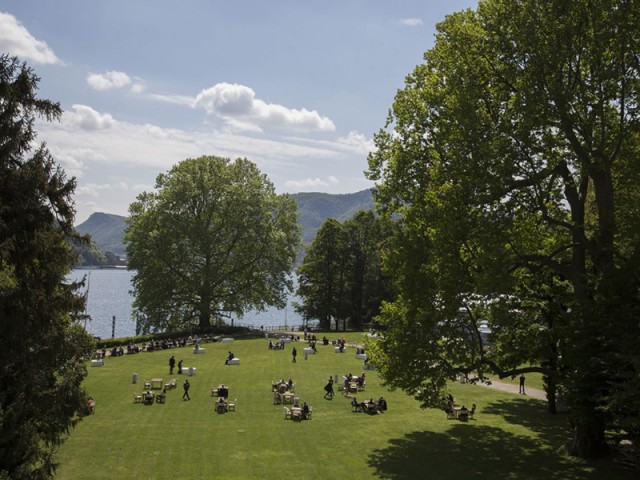
- The Matchless Backdrops: The sweeping lakeside lawns of Villa Erba become an open-air museum where multi-million-dollar, historically significant automobiles from pre-war Bugattis to rare mid-century Ferraris bask under the Italian sun.
- The Symbiosis of Design: The pairing is intentional. The dramatic, expressive curves of Mannerist architecture provide a perfect visual counterpoint to the aerodynamic lines of 20th-century automotive design masterpieces.
A Living Monument
Villa Erba stands as a masterclass in cultural preservation. It proves that heritage spaces do not need to be frozen in time to survive. By opening its Mannerist doors to the innovators of global industry and the preservationists of mechanical art, this 19th-century marvel remains exactly what its creators intended it to be: a breathtaking testament to human ingenuity, style, and ambition on the shores of Lake Como.