The new currency in real estate is belonging…and belonging cannot be manufactured, it can only be cultivated.
Jamie Caring of Sevengage: "Think of real social community like a garden. You can't plant it and walk away. You have to nurture it."
Tyler Brûlé of Monocle: "Brands don't need to impose themselves from above. They can grow organically from the street."
The industry is moving away from amenities and toward communities. This distinction matters.
For decades, luxury residential development followed a simple formula: offer exceptional facilities, ensure professional management, deliver predictable returns. The clubhouse was the centerpiece. The gym, the cinema, the wine cellar, these were the selling points. Developers competed on the quality and breadth of what they could build.
The logic is changing. Amenities feel hollow now. A private club with access only to residents is almost always empty. The fix: limited outside membership with intentional mix. Six Senses at The Whiteley is building a "living, breathing community." The Embassies are creating intergenerational communities rooted in longevity.
These are strategic moves and they work.
But Lake Como understood this first.
Community was never designed. It grew from proximity.
From shared seasons. From trust between families who returned year after year.
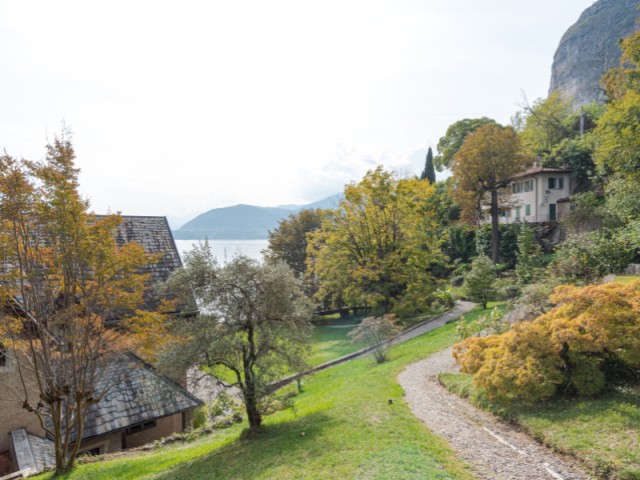
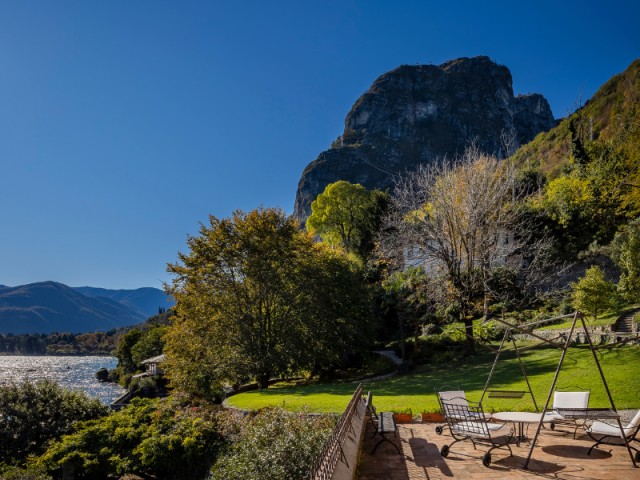
On the lake, the villa next door is not a competing unit. It is your neighbor's home. The restaurant on the piazza is not an amenity provided by a management company. It is run by people whose grandparents served your grandparents.
The new currency in real estate is belonging. And belonging cannot be manufactured. It can only be cultivated.
This observation has profound implications. Buyers are shifting from speculative vehicles to something with deeper resonance. They want to matter because they showed up, they returned, and they became part of something larger than themselves.
A purchased membership to a curated dining club is not the same as a table where the proprietor knows your name because your family has been eating there for forty years.
A developer-programmed wellness ritual is not the same as the rhythm of seasons that the place itself imposes. Summer on the lake means something. Winter means something different. Spring and autumn mark transitions. This rhythm is not programmed. It is inherited.
The developers who understand this will build something lasting. The ones who treat community as an amenity line-item will build something expensive that feels empty on a Tuesday afternoon.
The developers are learning what Lake Como has practiced for centuries.