Every year, the Emerging Trends in Real Estate Europe report ranks the continent's cities by investment and development prospects. London leads for the fourth consecutive year, followed by Madrid and Paris. Milan sits at number seven above Barcelona, Fran
For those of us who work in the Italian market, this is not a surprise. Milan has been building its case for years: a deep financial services sector, international schools, improving infrastructure, and a flat-tax regime that has made Italy the most attractive fiscal destination for relocating wealth in Europe.
But the report also notes something that deserves more attention. Investment activity, it says, "remains focused on Europe's big cities." However, "smaller cities are also attracting attention, highlighting the growing trend for specialist investment strategies in some of the region's most dynamic markets."
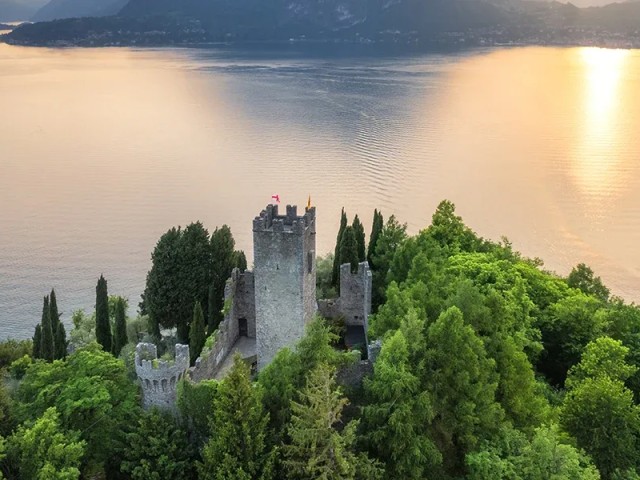
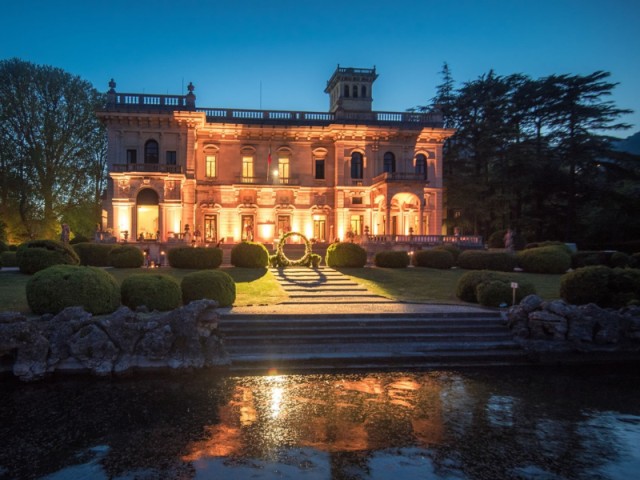
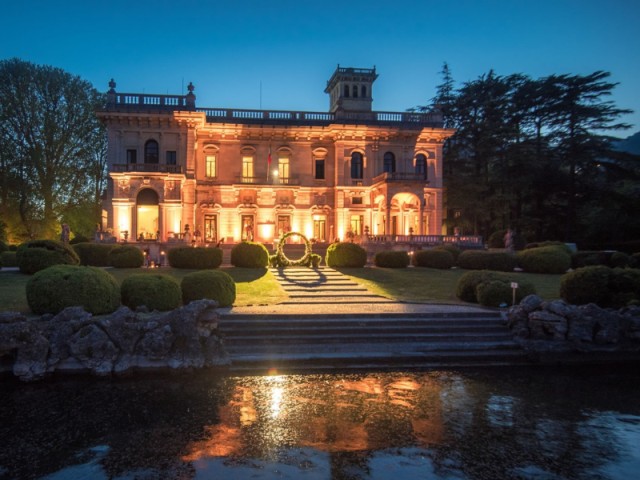
When a city attracts international capital and residents at scale, the territory around it transforms. This is not theory, it is geography. Milan's gravitational pull extends north, toward the lakes, toward the Alps, toward a landscape that has been the retreat of choice for European wealth since the Renaissance.
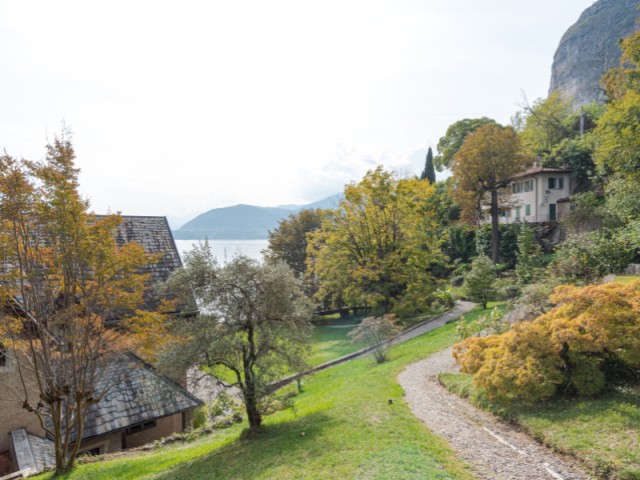
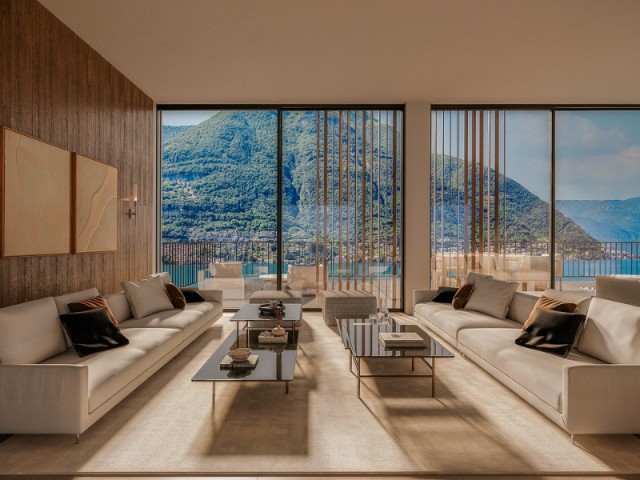
The families moving to Italy under the flat-tax regime are not all living in Brera. Many are establishing their fiscal residency in Lombardy while choosing to live on the lake forty minutes from Malpensa, one hour from the city centre, but in a completely different register of life.
Milan's rise in the rankings is a signal, not a destination. The city will continue to attract capital, talent, and attention. But the question that matters for the next decade is not whether Milan will climb further. It is whether the territory around Lake Como, Lake Maggiore, the Brianza will be understood as part of the same opportunity, or missed entirely.
The data says Milan. The life says the lake.