The PwC data confirms that family office priorities. Wealth preservation, tangibility, diversification, long-term growth, align precisely with what Lake Como has offered for centuries.
When the 2026 Emerging Trends survey asks investors how they allocate capital to real estate, the answers reveal a clear hierarchy. Sector-focused approach leads at 41 percent. But the next tier tells a different story: risk management and diversification at 33 percent, wealth preservation and long-term growth at 32 percent, and a deal-led approach at 31 percent.
These are not the priorities of a pension fund chasing quarterly performance. These are the priorities of a family, or a family office, thinking in decades, not cycles.
The report reinforces this: "Real estate continues to be seen as a preferred asset class, especially among retail investors and family offices, due to its tangible nature and perceived stability." Tangible. Stable. Preserving. These words appear again and again.
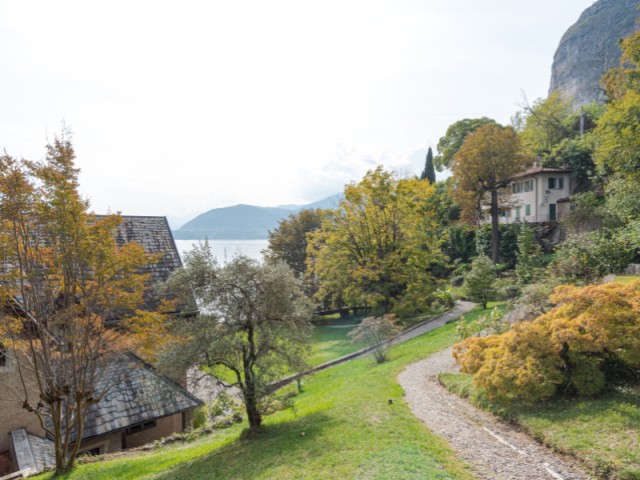
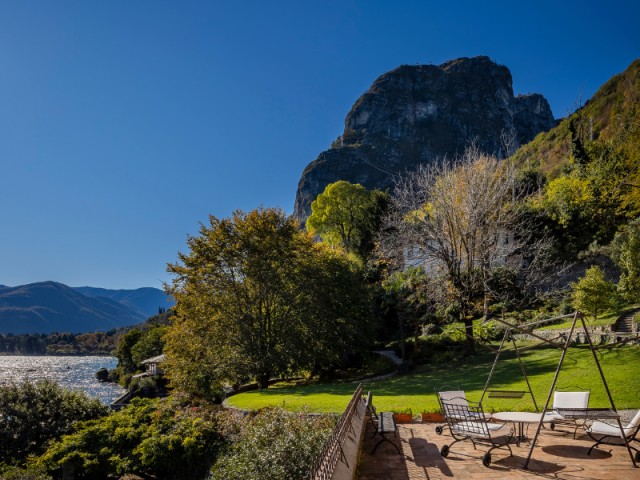
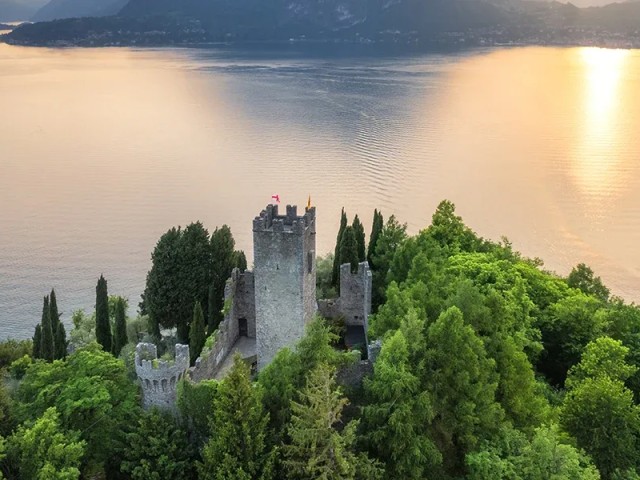
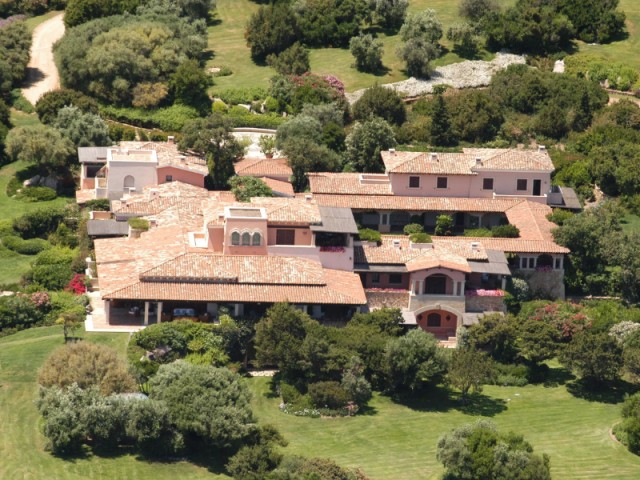
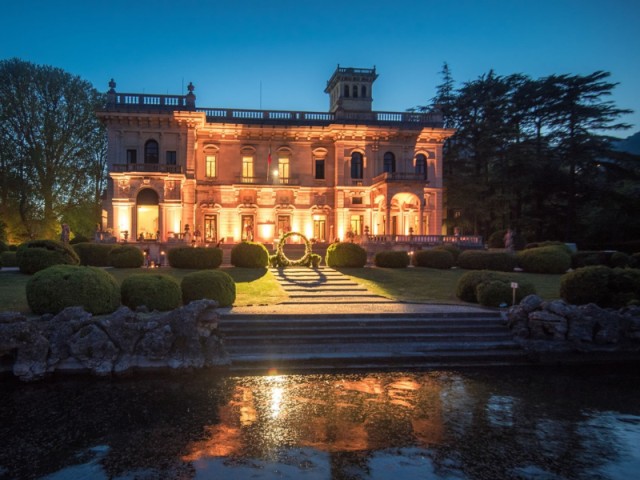
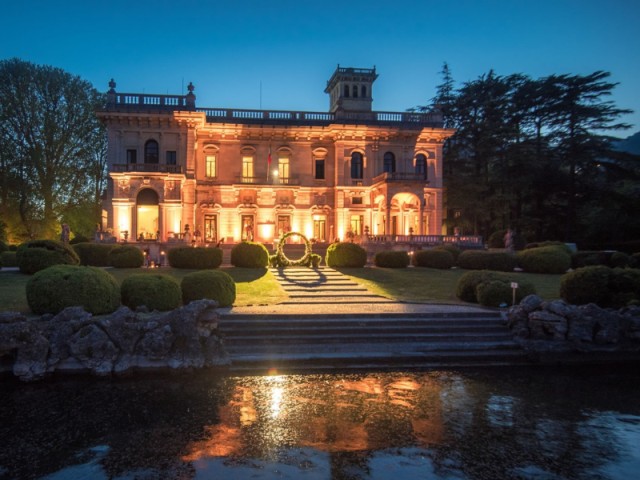
What does a family office want from a property on Lake Como? The same things the survey describes, expressed in physical form. Wealth preservation: a stone villa that has stood for two centuries will stand for two more. Tangibility: you can walk through it, touch the walls, sit in the garden. Diversification: it is uncorrelated to financial markets, denominated in euros, and located in a stable jurisdiction. Long-term growth: prime lakefront property in a supply-constrained market with growing international demand has a structural trajectory that few asset classes can match.
But there is something the survey does not capture — and it is perhaps the most important thing. A family office buys a property on the lake not only for what it returns, but for what it means. It is a place where the family gathers. Where children grow up with a sense of place. Where the values and the vision of the family take physical form.
No asset class offers that. Real estate does but only when the property is chosen with the same care that went into building the wealth it protects.