For a long time I pictured the custodian of a great estate as someone at the end of a career, arriving at last at the place he would keep.
The picture is out of date. The person who now considers a property of distinction is often in their late thirties or forties, and the question has changed with them. It is no longer how the property will look in five years. It is whether it will still be right in forty.
The shift can be measured. In its 2026 Mid-Year Luxury Outlook, Sotheby's International Realty reports that 66% of the real estate professionals it surveyed saw more Millennial buyers, born between 1981 and 1996, and 73% of those working at US$5 million and above. It traces the increase to wealth earned young and to transfers between generations that are arriving sooner. UBS Global Wealth Management gives the wider frame: it expects the global longevity market to grow from US$5.3 trillion in 2023 to US$8 trillion by 2030.
The wealth has several origins. Some of these buyers built their position young, in technology, finance or businesses of their own. Some inherited it. Some belong to a family that has always planned in decades and are now taking their first decisions as its next generation. They do not come to the end of a career. They come to the beginning of a long custody.
Those who came before often adapted a place as the years required: a lift added late, a bedroom brought down to the ground floor, a quieter wing. The younger custodian asks for that foresight on the first day, so that the property supports a long and healthy life instead of being corrected to support it.
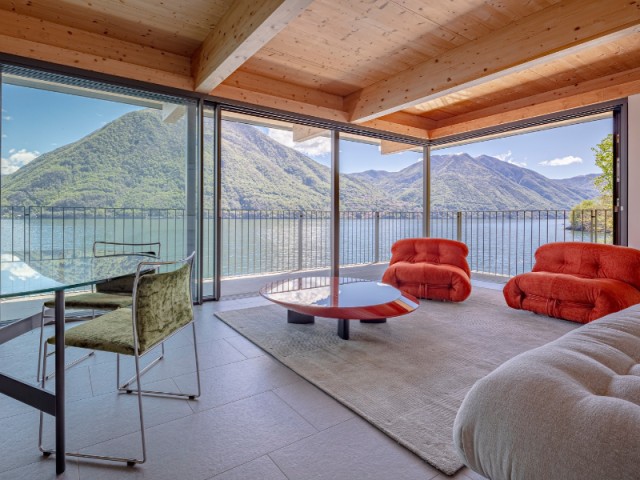
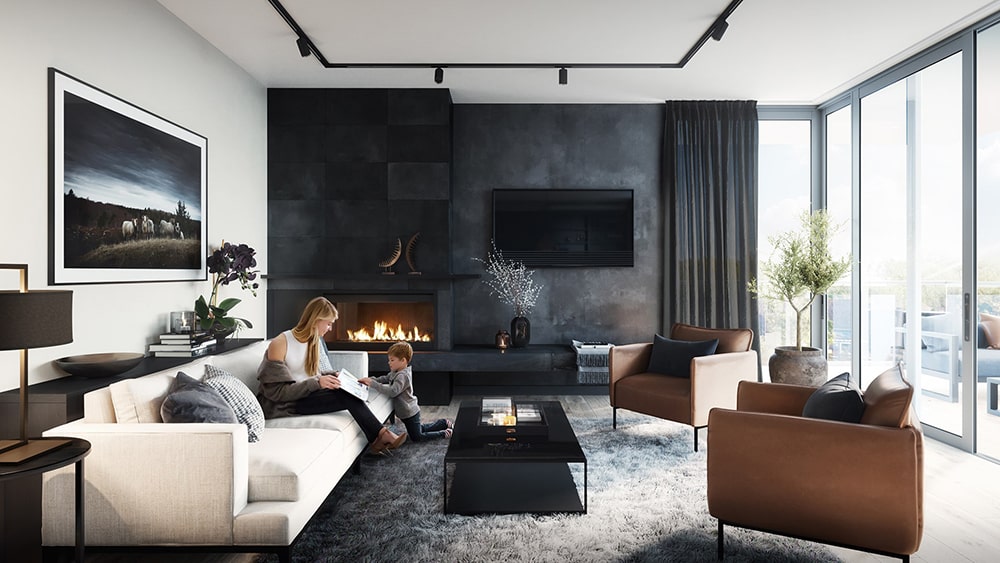
Health is part of the brief, and it begins decades earlier than it used to. Rooms for movement and recovery, for heat, cold and silence. Air and water filtered with care. Light that follows the day and lets people sleep. The plan itself must bend: it can hold a growing family, a study, visiting parents, someone who lives in to help, and stay livable as these needs change. Quiet, controlled access, and a place to put the world down. Technology that is felt only when it is missing, running the property whether or not the family is in residence. And a property that arrives finished, because this buyer rarely wants a decade of works.
Design is not a finish to them. They compare across cities and countries, not across neighbourhoods, and they treat architecture and interiors as a requirement. Many buy ahead of their lives, for a plan that may not begin in residence for years.
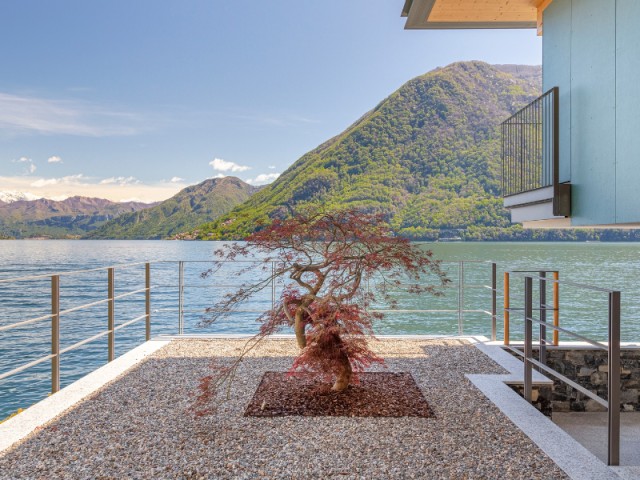
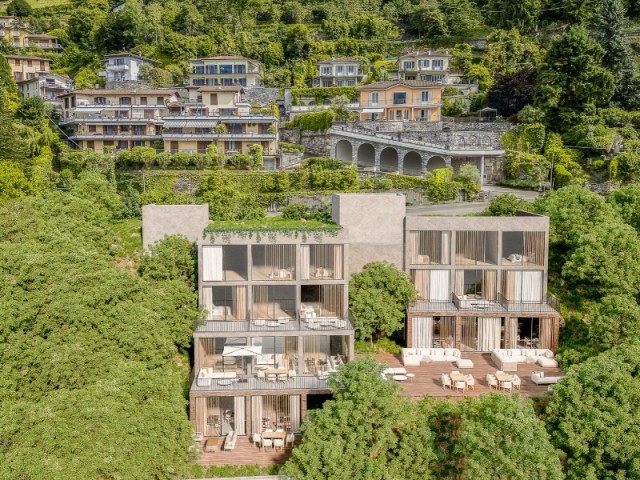
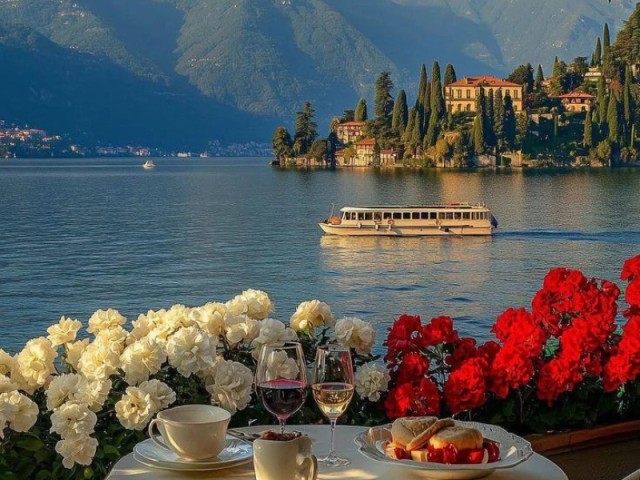
On this lake that logic has a particular edge. Lakefront cannot be built anew, so what a custodian takes on is a position that already exists, with the history it carries. At Villa del Balbianello, on the Lavedo promontory, Cardinal Angelo Maria Durini made a former monastery into a villa in the last years of the eighteenth century. Guido Monzino, explorer and collector, acquired it in 1974, and on his death in 1988 left it to FAI, the Fondo Ambiente Italiano, which has cared for it ever since. Each of them took it on knowing the villa would outlast them.
What I take from this is not a trend but a change of tense. The question used to be what a property is worth on the day it passes to the next hands. Now it is also what the property will ask of its custodian, and what it will give back, across forty years.
To those about to hand a property on: the next custodian may be thirty-eight, not sixty-eight. What has been deferred should be addressed before the property is presented. Let the rooms show what they can become, a study, a guest suite, a nursery, and let the light and the architecture speak first.
To those at the beginning of their own custody: look past this year. Ask whether the plan will still work with children, with ageing parents, with a change of career. Ask whether air, water and light will serve your health in the long run, and whether this is a place you can imagine in for decades.
A place that cannot be replaced deserves to be chosen for the long term, not for the season. For a private conversation, write to me.