Fifty-five percent of the specialists who sell properties of €9 million and above reported more buyers in their local markets over the past twelve months. Most expect demand to hold through the rest of the year.
The figure comes from the 2026 mid-year outlook of Sotheby's International Realty. It arrives while much of the market waits for affordability to improve. A smaller group has not waited. It has simply carried on.
The report is a survey of specialists. It records what they see across their markets, not what buyers say of themselves, and the number is less interesting than the people behind it. These buyers are not returning to the properties, or the places, they were chasing a few years ago. Their priorities have moved towards longevity, stability, value and the way a property supports a life.
I read four movements in the report. It is the report's reading, not mine, and it is drawn mostly from American markets and from Milan. Taken one by one, the movements describe four different reasons to buy. Taken together, they describe one buyer, and I come to him at the end.
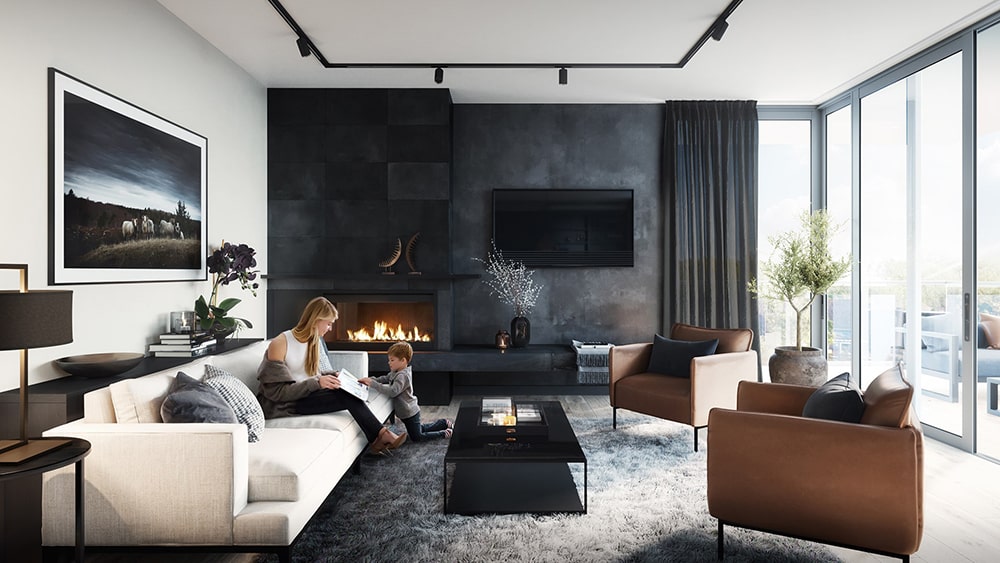
It begins with the wish to stay. Buyers who already invest seriously in their health are less willing to imagine a later move into senior living. Nearly 40% of the professionals surveyed said ageing in place is a growing priority for their clients. They ask for a property that can carry them through every stage of life: saunas, cold plunges and red-light rooms; filtered air and water; trails for walking close at hand; health-monitoring technology built into the walls; space for in-house staff. Longer lives and the wish to remain in place change how properties are designed and where they are bought.
Then comes resilience. Overall sales remain soft in the United States, yet the top tier holds. Lawrence Yun, chief economist of the National Association of Realtors, points to slightly more inventory, a strong stock market, and buyers who can pay in cash and need not watch mortgage rates. Miami shows it best. The billionaire purchases of recent years put it on the global map, and new infrastructure and a pipeline of residential towers keep strengthening its case as a long-term destination for wealth.
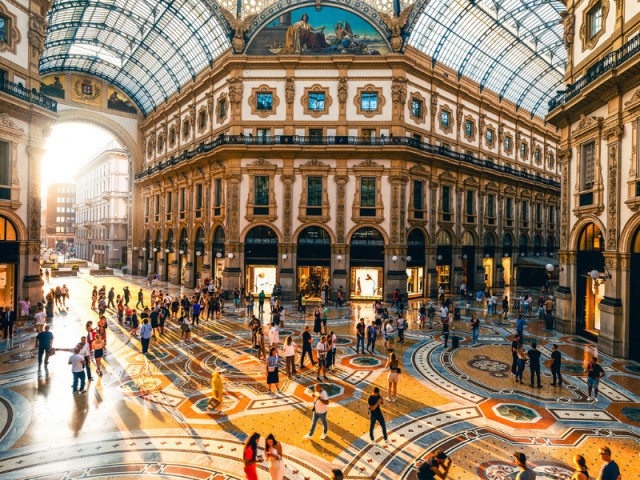
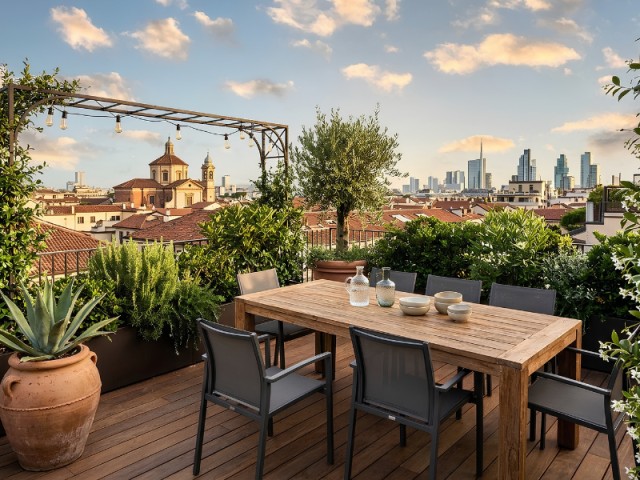
Stability pulls the other way, towards steadier ground. Global uncertainty has led the very wealthy to reconsider where they invest and where they live, and they choose cities that offer favourable taxation and better value for money. Milan is the clearest example. Italy's tax incentives and its residency-by-investment programme, which opens the Schengen Area, have drawn buyers from abroad. Sotheby's advisors in Italy note the shift that matters: international buyers who once bought a property to visit now buy the property where they live.
And some return. San Francisco is recovering on the strength of the artificial intelligence boom, and younger buyers who had left for New York or Los Angeles are coming back for the work. Sales of properties from €6.7 million upwards rose 84% in 2025 compared with 2024. Many are founders, technologists or heirs, and a common pattern is to buy in the city first and add a suburban property later, when the family grows. They ask for little that is ornamental: a property ready to live in, with no long renovation; rooms that adapt to work, family and entertaining; a neighbourhood that can be crossed on foot.
Taken together, these movements describe a buyer who is deliberate. Prestige alone does not move him. He is buying a property that must sustain how he intends to live for decades, in a place that protects what he has built. For him the property is part of a wider plan, of residency, of wealth and of generations.
That changes what a custodian of a property must be able to show. Air, water and access to the landscape matter now as much as the façade. So do rooms that can change their purpose, and a condition that asks nothing of the next family.
The underlying question travels well. When someone considers a property today, they are asking less what is this? and more what will this allow me to keep?
For a private conversation, write to me.