Twenty years ago private wealth bought what it loved; now it buys with a plan, and the question is what the plan still leaves room for.
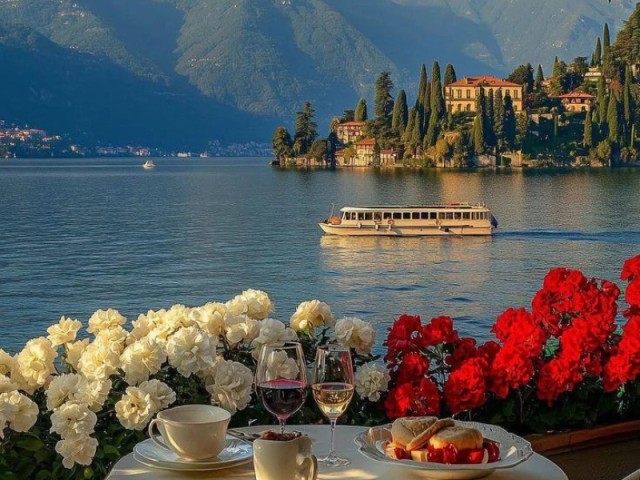
Twenty years ago, a wealthy family might buy a hotel because it was the one they always stayed in, or a shop on a street they loved. Knight Frank uses examples like these to describe how private wealth once came to property: one purchase at a time, and for reasons of the heart.
The Wealth Report 2026 returns to a prediction made in its first edition, two decades ago: that private capital would become a leading force in property. The report finds that it has. Private capital, which it defines as private equity together with the wealth of high-net-worth individuals, has accounted for the largest share of commercial property transactions worldwide for the past five years. Its Attitudes Survey traces the change. In 2007, commercial property made up 2.6% of wealthy investors’ portfolios, against around 30% held in residential property; by 2023, 21% of their investable wealth sat in directly owned commercial property. These are global figures about commercial assets. They are the report’s reading, and they say little about any one shore.
It begins with a change of attitude rather than of size. The report describes families who once bought on instinct now working through private offices, with experienced professionals beside them and a strategy around each decision. The favourite hotel has become part of a plan.
Then come the reasons. Knight Frank’s capital markets team sets out what property offers a family: income that continues through difficult years, buildings that can be improved and given a new purpose, a steadier course than equities, and rents that can follow inflation where bond income cannot. It is a sober list, and an accurate one for a portfolio.
Patience is the other half. When interest rates rose sharply after 2022 and many institutions stepped back, the report notes, private individuals and family offices stayed. They could decide quickly, draw on different sources of capital and wait longer than a fund is allowed to.
And yet the report keeps one line for something no list contains. Families, it says, still love what they own. The plan did not replace the attachment. It arrived beside it.
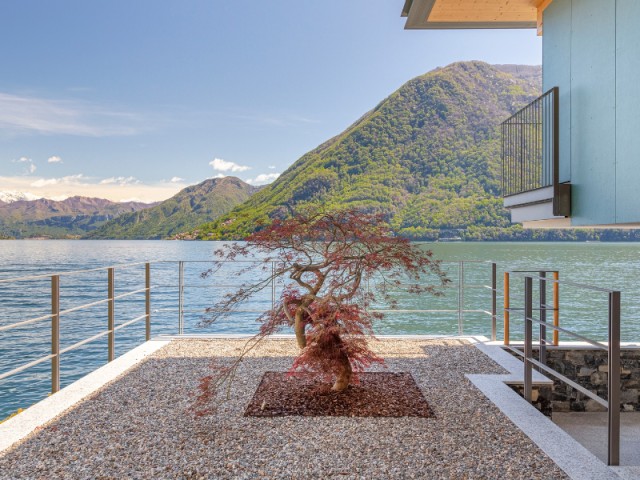
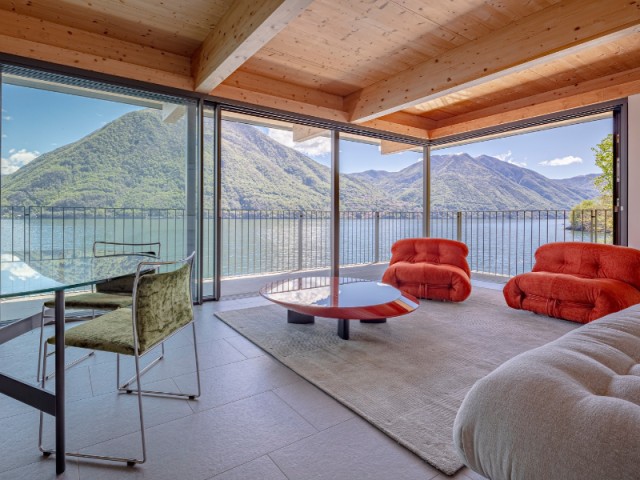
Here I must add a distinction the figures cannot make. The report measures commercial property across the world, and it is right to measure it that way. It is not the measure of a lake. On Lake Como the shoreline cannot be extended, and the historic villas of the first basin and the west shore were not built to be repositioned. They pass from one family to the next for reasons of succession rather than strategy. The question a custodian asks here is not how hard a place can work. It is how well it can be kept: a terrace restored to its old proportions, a boathouse brought back into use, rooms the next family will recognise.
What I take from this is that private wealth has learned to plan, but it has not unlearned love. The plan decides where capital goes. The love decides what is kept.
Twenty years ago a family bought its favourite hotel because it could not imagine staying anywhere else. On the lake, that instinct was never a weakness to be corrected. To those weighing a place here, the question is less what will this yield? and more what would we never sell?
For a private conversation, write to me.