Ten thousand family offices are putting their wealth to work, and the one thing they still want to hold is a place.
Many of the families surveyed this year call property a “core passion”. One called it almost a safe haven. I understand why they reached for those words. Property is the only thing in their portfolio they can walk through.
The figures come from a 2026 global wealth report, in a chapter on leverage and legacy built on a survey of family offices. The survey covered more than forty of them, in London, New York, Dubai, Singapore, Hong Kong and elsewhere. The report estimates there will be around 10,000 family offices in the world this year, and that the sector is growing at roughly 5% a year, faster than the global economy. It is a small survey. It records what forty families chose to say, not what all of them do, and I read it that way.
It begins with a change of posture. The family office used to be a quiet guardian. It protected capital and asked little else of it. Now families are setting targets and hiring their own specialists in private equity and property. They share larger projects with trusted peers, and some have bought the planning or construction firms their projects depend on. Wealth in their hands is being asked to work.
Then comes the turn towards what is tangible. Direct ownership lets a family shape a place, hold it through volatile years and answer to no one but the next generation. There is no fund to report to and no exit date set from outside. That is the part I recognise most clearly.
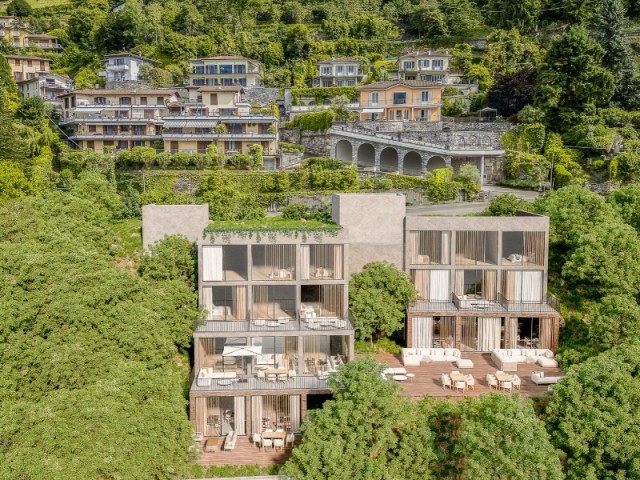
Europe gives them a particular gap. High construction costs have left the continent short of the finest kind of property. Families are drawn instead to places that need vision and patient restoration: historic villas, palazzi, estates on the water.
Italy enters the picture by way of London. The survey describes a “reluctant exodus” of principals after the UK changed its non-dom regime, and it names Italy’s flat tax as one reason families settle here. It adds a point I find more telling. Those who arrive spend locally, on staff, on craftsmen and on the lives they build. The report weighs rule of law, way of life and taxation. Those are the right measures for a country. They are not the measures of a lake.
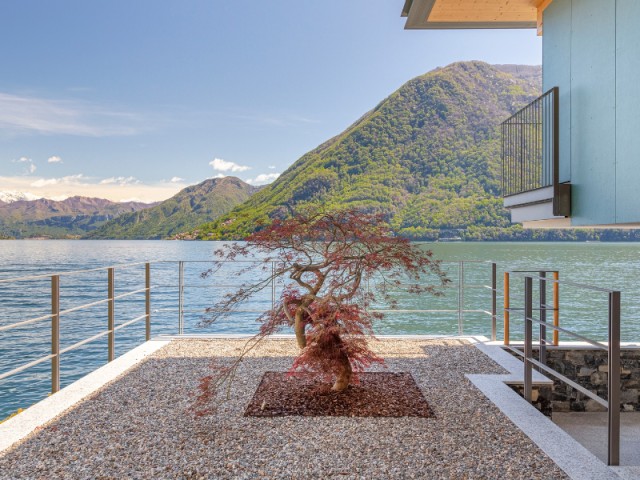
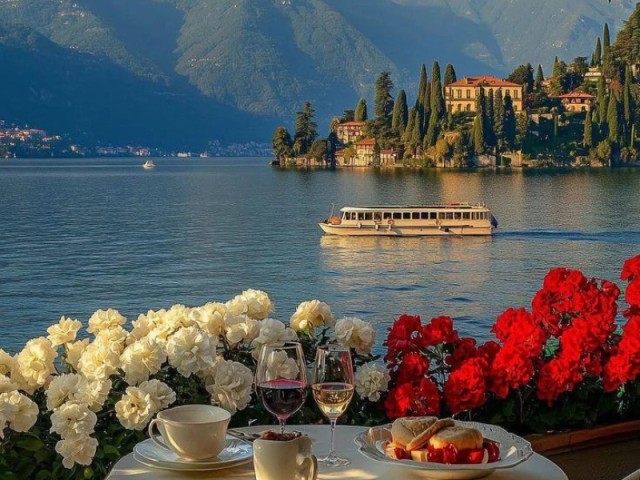
Here I must add something the figures cannot show. On Lake Como the shoreline cannot be extended, and lakefront cannot be built anew. The historic villas of the first basin and the west shore do not come to market because a family office has a new mandate. They change hands slowly, for reasons of succession, and often privately. A restoration here is not a project with an exit. It is a long conversation with a place: a roof relaid in the old stone, a garden brought back from the shade, rooms that will be kept rather than resold.
Last, there is the matter of scale. Families now prefer lighter structures, with a small core team and a trusted network they call on when needed. A family that travels light needs a place that does not have to be managed from afar. It needs a property that arrives finished, is looked after by people who know it, and is ready on the day the family returns.
What I take from this is that leverage and legacy are not opposites. The families who make their wealth work hardest still want one thing that does not have to work: a place they can touch, and hand on.
The report counts offices. On the lake we count hands: the hands that restored a villa, the hands that keep it, and the next hands that will receive it. To the families deciding where to set down part of what they have built, the question is less “what will this return?” and more “who will hold this after us?”
For a private conversation, write to me.
Source: Knight Frank, The Wealth Report 2026.