Hermès famously limits production of its Birkin bags. A buyer can purchase a maximum of two per year. The constraint is the strategy. The waiting list is the marketing. The scarcity creates the desire, which generates the value, which justifies the price.
This principle has migrated into real estate.
Scarcity as a deliberate tool. In Miami, Bentley limits units and embeds car elevators into the scheme. In Paris, Maybourne caps the Belgravia wellness club at 100 members. In Singapore, The Marq is fitted entirely by Hermès invitation-only, $4,930 per square foot.
These are intelligent strategies. They understand that value at the top of the market is determined by what is not available. The Birkin creates desire through scarcity. The real estate schemes replicate the logic.
But there is a critical difference: manufactured scarcity and inherited scarcity.
A developer can choose to limit units. They can decide to cap a club at 100 members. They can partner with a luxury brand to make something exclusive. These are decisions. They can be changed. They can be replicated elsewhere by a different developer who makes different choices.
A developer cannot choose to limit geography.
The most powerful scarcity in real estate is not a decision. It is a condition.
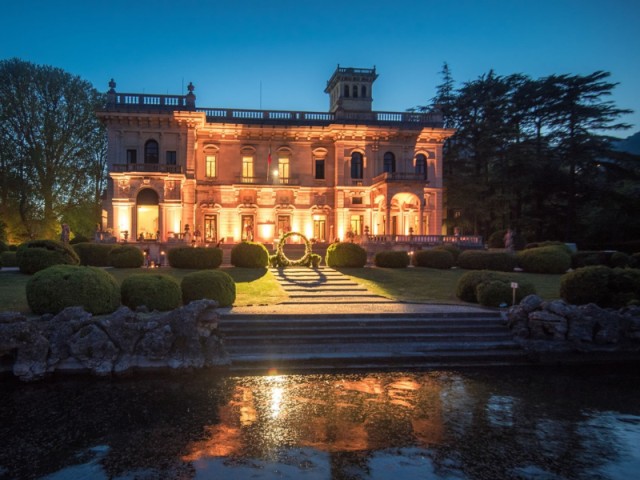
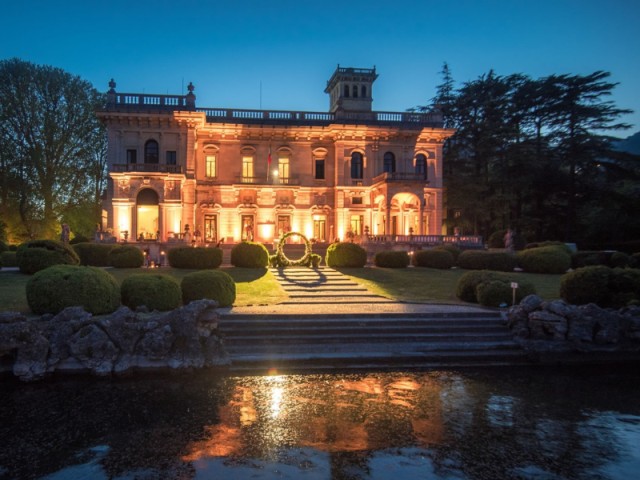
Lake Como holds approximately 170 kilometres of shoreline. The number of historic lakefront villas is finite. Zoning regulations are among the most restrictive in Europe. New waterfront construction: practically impossible. Not because a developer decided it should be, but because the lake is surrounded by protected land, because Italy's regulatory environment around water frontage is historically protective, because the best villas have been in continuous private ownership for centuries.
When a villa comes to market on the western shore, a handful of times per year - it is not competing with new inventory. There is no new inventory. The constraint is not manufactured. It is geological. It is regulatory. It is temporal.
Two Birkin bags per year. A handful of lakefront villas per decade.
The logic is the same. The scale is different. The permanence is not.
Hermès can theoretically increase production. The constraint is a business decision. Lake Como cannot produce new historic villas. The constraint is immutable. Once the finite supply on Lake Como is claimed, no developer can create more. No regulation can be relaxed to increase output.
This is why inherited scarcity creates value that manufactured scarcity cannot match.
The Birkin's value depends on Hermès' willingness to constrain. The villa's value depends on geography's refusal to yield.