The flat tax wave is making Milan the gateway but Lake Como is where these families actually want to live.
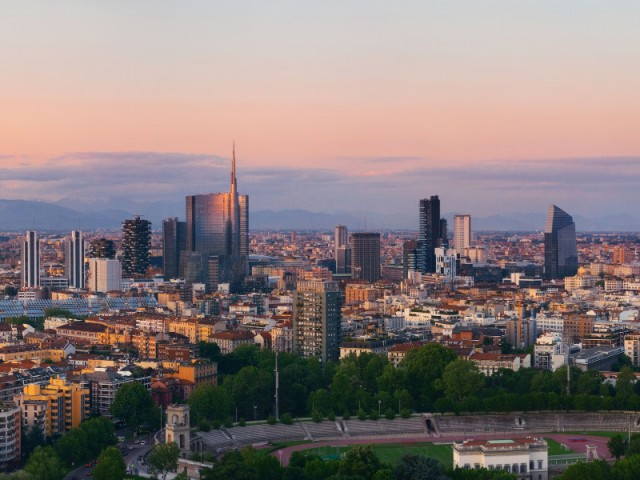
The Guardian ran a piece this week about Milan overtaking Dubai as the destination of choice for the global ultra wealthy. Property prices up 38% in five years. International buyers up 30-40% in two. A flat tax regime the Italians call “svuota Londra” evacuate London.
The first shift is residency. For years, the international buyer in Italy was a visitor. A beautiful apartment near the Duomo. A week in spring, another in autumn. The flat tax changed the equation. First, €100,000 in 2017, now €300,000. But what truly opened the door was London closing its own. When the UK abolished the non-dom regime, Italy stopped being an alternative and became the answer.
Add the Gulf's growing question marks, and the people leaving are not panicking. They are recalculating. The calculation, for the first time in a generation, points to Italy.
The second shift is geography and this is the part the article does not explore.
Milan absorbs this wave because it has the infrastructure, airports, international schools, and financial services. But Milan is a working city. It is where you operate, not where you live your life at its fullest.
The families moving here under the flat tax regime are not buying a city. They are buying a country. And within that country, there is a geography that has attracted the international elite for centuries.
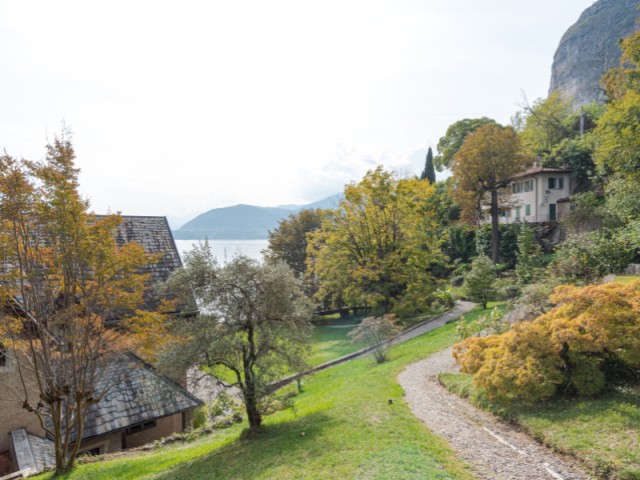
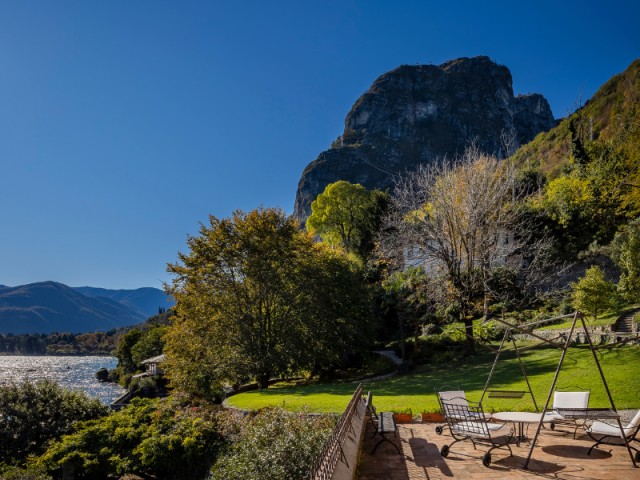
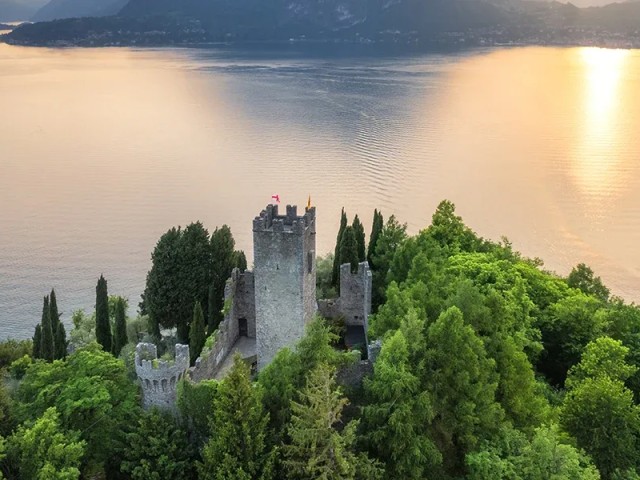
Lake Como is forty minutes from Malpensa. One hour from Linate. It has the same postcode, fiscally speaking, as a flat in Brera. But it offers something Milan cannot, a life measured in seasons, water, stone, and silence.
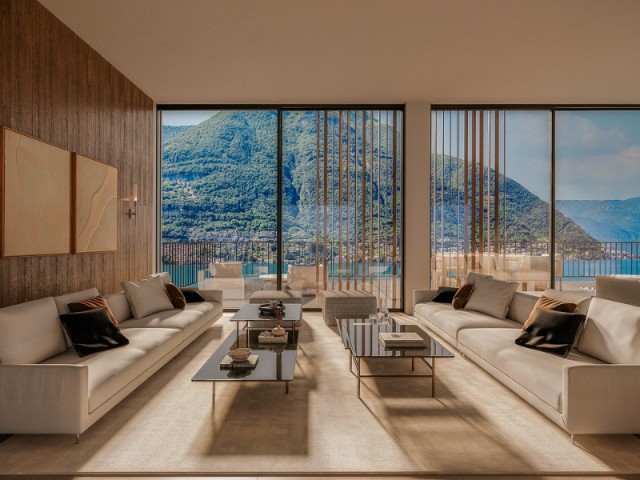
The new resident profile is not the holiday buyer of ten years ago. It is a family, often with children in international schools in Milan or Como, looking for a primary or co-primary residence within reach of the city but outside of it. They want space, privacy, and a garden. They want to look at the lake from their own terrace, not from a hotel balcony.
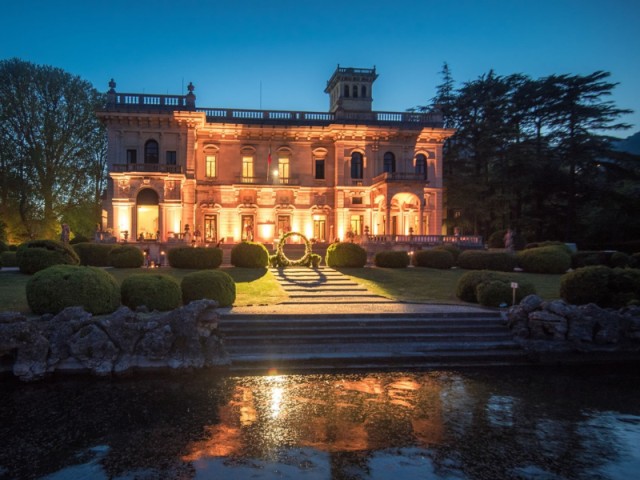
They are also more informed than any previous generation of buyers. They have read the Guardian article. They know the flat tax numbers. They have spoken to advisors in London and Milan. What they do not yet know is the territory, which shore, which town, and which house holds the story that matches their own.
That is curatorial work, not sales work.
The flat tax made Italy accessible. London made it necessary. The Gulf made it urgent. But Lake Como was already here doing what it has done for five hundred years. Offering a way of life that needs no policy incentive to be desirable.
The policy just removed the last obstacle.