The branded residence boom is a gift to the unbrandable. Every new tower reinforces what cannot be built again.
In 2011, there were 169 branded residential schemes worldwide. Today, that number stands at 611. By 2030, Knight Frank projects over 1,000.
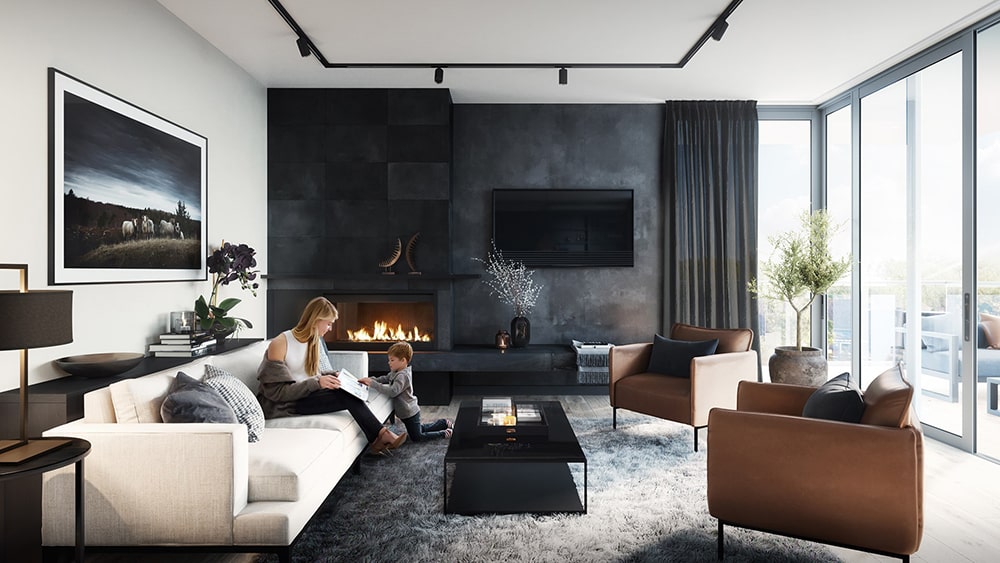
Hotel groups, fashion houses, car manufacturers, football teams, everyone wants their name on a building. The logic is clear: brands provide trust, service standards, a shorthand for a way of living. In Miami, Dubai, Riyadh, a recognisable name on the facade signals a promise.
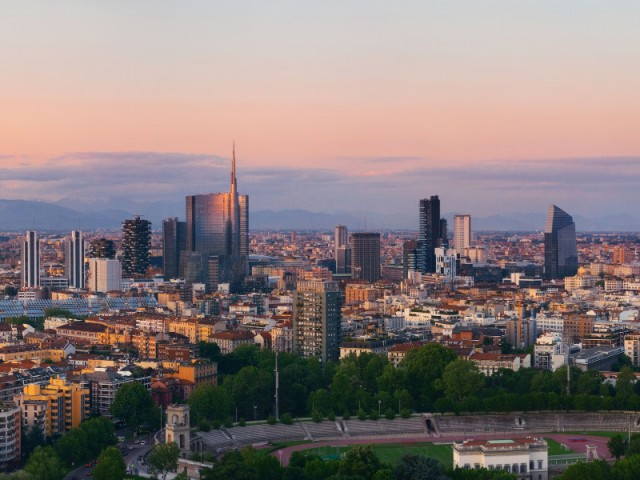
North America leads the charge with 32.7% of all live schemes. The Middle East is closing fast at 26.7%, accelerated by Saudi Arabia's mega-projects and Dubai's relentless velocity. But Europe holds just 13% of the branded pipeline: Milan, Paris, Madrid, the Swiss Alps.
This disparity is not a weakness. It is the entire point.
Europe's constraints are structural. Heritage regulations. Built environments that resist the logic of 50-storey towers. Fragmented ownership patterns that make assembly difficult. These barriers do not represent a market failure. They represent the reason European real estate holds its value.
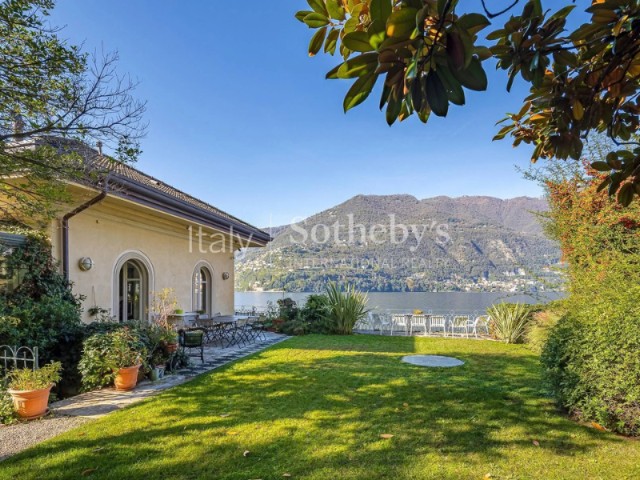
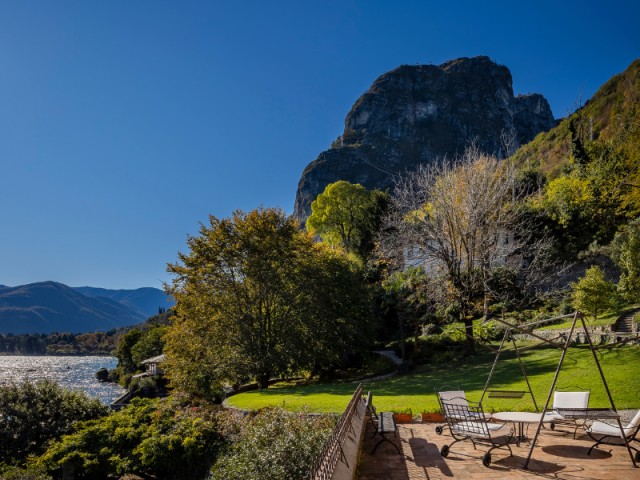
Lake Como does not appear in the branded pipeline. That is not a weakness. It is the point.
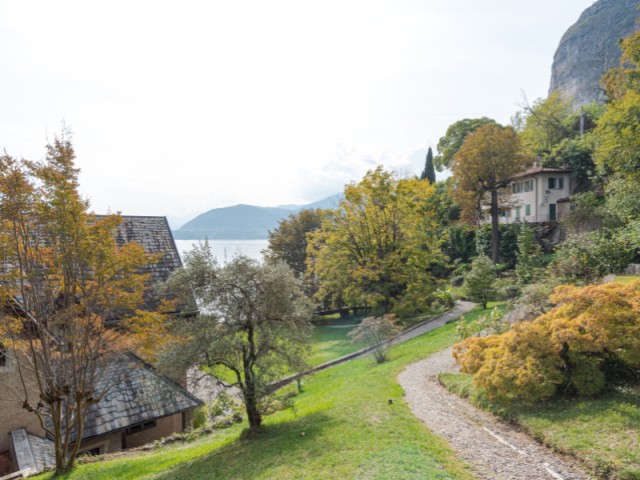
A 16th-century villa does not need a brand partner. Its provenance is the brand. Its walls are the service history. Its garden is the amenity package. The gardener who has tended the grounds for thirty years is the concierge service no hospitality group can replicate.
The most compelling real estate in Europe is not branded. It is simply irreplaceable. This distinction matters more than any branded development chart.
Consider what a brand partner actually delivers: service consistency, operational protocols, a recognisable standard applied across geographies. These are valuable. They allow a developer to offer certainty to a global buyer. A Mandarin Oriental resident in Miami expects the same level of service in London or Tokyo. Scalability is the product.
But scalability, by definition, means replicability. It means what you build in one location can be replicated in another. And once it is replicated, it is no longer scarce. No longer singular.
A villa on Lake Como has been in continuous private ownership since the Renaissance. Its value increases precisely because it cannot be replicated. The branded boom is a gift to places like this. Every tower with concierge services makes the case for places where the concierge is the gardener, the housekeeper, the boatman, people embedded in the property's continuity, not deployed from a central office.
“Both paths are legitimate but only one is finite.”