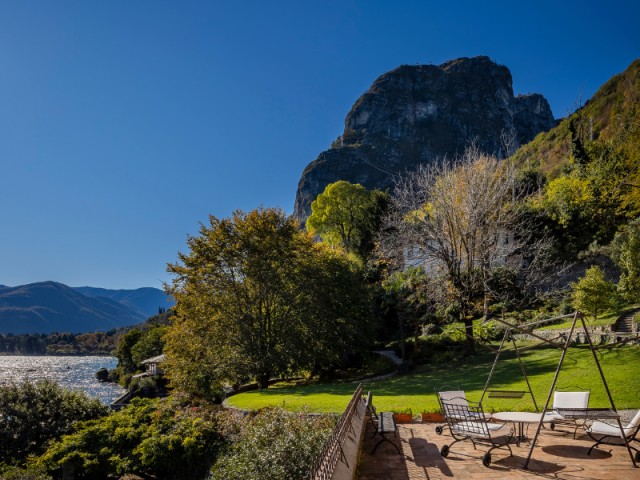
On the northern shores of Sardinia, within the historic region of Gallura, a unique real estate opportunity is taking shape that reflects the evolving landscape of Mediterranean development.
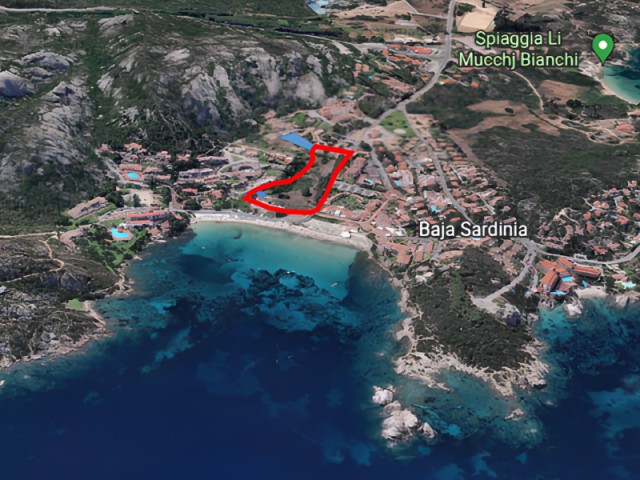
Located in Baja Sardinia, near the renowned beach of Cala Battistoni, a 20,000-square-meter vacant coastal plot is positioned for a major transformation through a structured public-private partnership. Known as the Cala Battistoni Cisterns, this estate represents an exceptional asset where historical infrastructure serves as the baseline for high-value hospitality and cultural redevelopment.

A Maritime Anchor for the Royal Navy
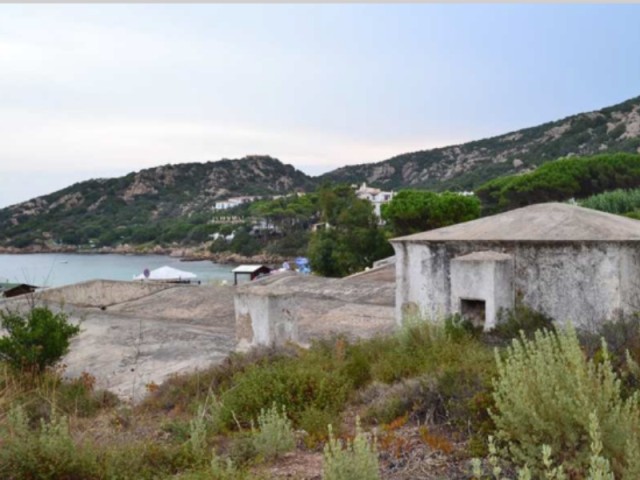
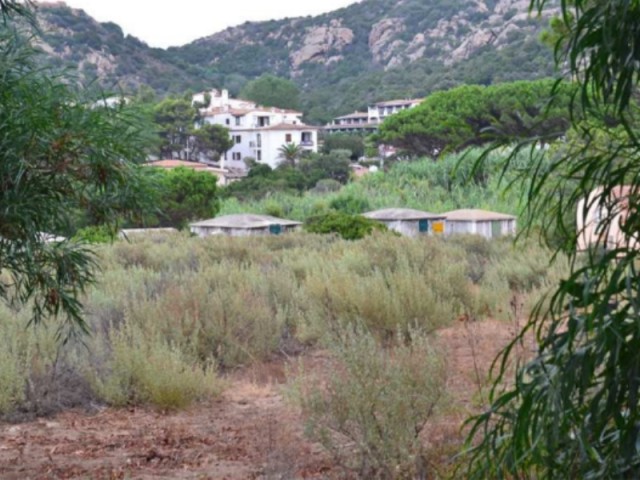
The property holds a deep historical narrative connected to Italy's military past. Built between 1700 and 1800, the site features a granite terrain that slopes gently toward the sea, framed by local stone boundary walls and lush Mediterranean scrub.
The core of its historical value is an ingenious water system. A natural water source located upstream is channeled into massive downstream masonry deposits. Historically, this system supplied fresh water to the crucial fortifications of the Royal Navy in Northern Sardinia. Barges would dock directly at the dedicated Cala Battistoni pier to load the water, a practice that continued until the pier was eventually demolished in the 2000s.
The Redevelopment Vision: Culture and Leisure
Currently owned by the Italian State under the Ministry of Defense, the vacant land is slated for redevelopment using a project financing model. The master plan balances cultural preservation with modern service infrastructure, featuring several key zones:
- The Museum Complex: The central element of the transformation involves repurposing the existing buildings into a Navy museum complex to honor the site's maritime history.
- Sustainable Infrastructure: The project includes the construction of eco-sustainable parking areas and comprehensive service structures to support both the museum and the adjacent bathing zones.
- Public Integration: Over 19,250 square meters of outdoor space will be utilized for equipped green areas, ensuring the development integrates smoothly with the surrounding natural landscape.
The project has already drawn significant institutional interest, with multiple valorization proposals undergoing evaluation ahead of a formal public tender process.
The Defensibility of Coastal Scarcity
This project highlights the core theme governing the elite Italian market: the value of structural scarcity. You cannot simply build a new coastal village next to the Costa Smeralda complex. The Cala Battistoni site succeeds because its expansion parameters are strictly defined by its historical boundaries and rigid planning frameworks.
For the strategic investor, this development represents a massive value-add opportunity. Situated just 35 kilometers from the Olbia-Costa Smeralda airport and neighboring the exclusive hospitality networks built up since the 1960s, the location possesses an incredible geographic premium. When you tie a modern hospitality and leisure project to a verified historical anchor like the Royal Navy cisterns, you remove substitution risk entirely. This project is a stellar case study in how public-private partnerships can unlock defensive, high-yielding assets in Europe's most selective coastal destinations.