As the global art world turns its eyes to the seasonal marquee sales in New York, the distinction between transactional acquisition and generational collecting becomes razor-sharp.
For the high-conviction collector, these pieces provide total provenance security and replacement difficulty which are the core components of a defensible asset.

Three Marquee Pillars: Provenance, Radicalism, and Vision
The highlights of this season's evening sale trace the vital breakthroughs of late 19th-century Post-Impressionism and the early-to-mid 20th-century avant-garde.
- Vincent van Gogh, La Moisson en Provence (1888)
Estimated at $25,000,000 – $35,000,000, this rare work captures the explosive, solar intensity of Van Gogh’s pivotal Arles period. Its ironclad provenance tracks straight through the artist's family—from Theo van Gogh to Johanna van Gogh-Bonger—before moving through legendary hands like Ambroise Vollard. Its pristine exhibition history and inclusion in upcoming global retrospectives underscore its status as an irreplaceable cultural anchor.
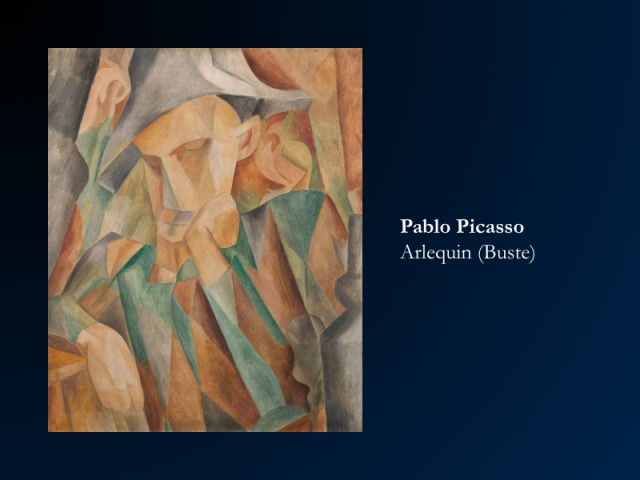
- Pablo Picasso, Arlequin (Buste) (1909)
Offered from the historic collection of Adele and Enrico Donati, frequently called "the last Surrealist". This canvas carries an estimate of over $40,000 million. Executed in the crucial spring of 1909, it represents Picasso’s brilliant fragmentation of his most beloved recurring motif, the harlequin, through a radical, earth-toned Cubist lens. Traded through historical giants like Kahnweiler, it is a definitive masterpiece of early European modernism.
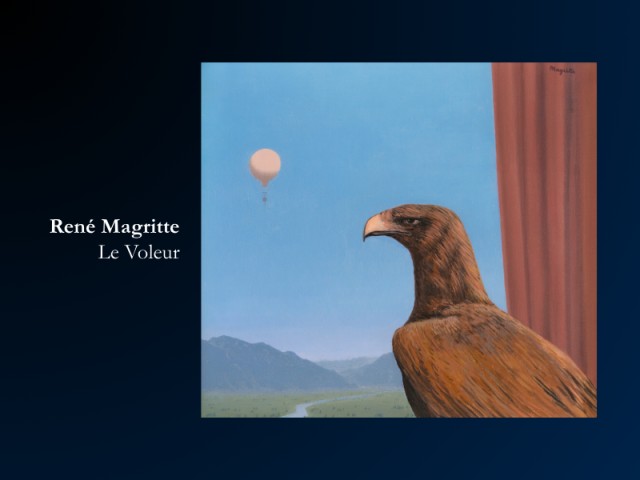
- René Magritte, Le Voleur (1967)
Estimated at $2,800,000 – $3,500,000, this canvas comes from a distinguished Swiss private collection and was executed in the final year of Magritte's life. Exhibiting his signature Surrealist wit and balance, Le Voleur (The Thief) has been long preserved on loan at the Magritte Museum in Brussels. It serves as a highly desirable example of the artist’s mature, philosophical inquiry into the nature of vision and concealment.
The Defensibility of Marquee Art
The metrics defining the top tier of the art market are shifting away from speculative volume toward radical precision and documentary weight. The works by Van Gogh, Picasso, and Magritte featured in this Modern Evening Auction succeed because their scarcity is structural, not manufactured.
When evaluating assets of this caliber, the primary consideration must always be substitution risk. There is no alternative to a 1909 Cubist Picasso from a peerless Surrealist estate, just as a provenanced Arles-era Van Gogh occupies an isolated category of value. These are true trophy assets. By anchoring a portfolio with works that hold deep institutional recognition and immaculate lineages, collectors insulate themselves from broader economic noise and achieve long-duration capital protection.