The most consequential art exhibition in the world this year was assembled by a curator who died ten days before she was scheduled to present it publicly.
Koyo Kouoh, the Cameroonian-Swiss curator appointed to direct the 61st International Art Exhibition of La Biennale di Venezia in October 2024, passed away in May 2025. The Biennale proceeded with her plans, executed by a team she had personally selected. In Minor Keys opened to the public on Saturday May 9 and runs through November 22 across the Giardini, the Arsenale, and venues throughout Venice. Day one drew approximately 10,000 visitors, a ten percent increase over the 2024 opening, according to La Biennale di Venezia. For anyone tracking how the Italian cultural calendar shapes property demand, this is the event of the year.
What "In Minor Keys" Proposes
The title references music theory. A minor key carries both a structural function and an emotional weight. Kouoh's framework, published in her own writing before her passing, treated the exhibition not as a survey of current world events but as a reconnection with the emotional, the visual, the sensory, the affective, and the subjective dimensions of art. The 110 invited participants come from many geographies, selected for resonance rather than representation. Seven countries debut at the Biennale this year, including Qatar, Sierra Leone, Vietnam, and the
Republic of Guinea.
The pavilions drawing the strongest collector and curator attention during preview week are operating closer to listening than to declaration. According to Artnet coverage of the previews, the Holy See Pavilion has emerged as an unexpected critical favorite, drawing on Pope Leo's recent statements on global harmony and assembling artists ranging from Precious Okoyomon and the duo Mat Dryhurst and Holly Herndon to Brian Eno and FKA twigs.
The Austrian Pavilion presents Florentina Holzinger's Seaworld Venice, a large-scale performance work. At the State Archives of Venice, the New Delhi-based photographer Dayanita Singh has installed 25 years of black-and-white work as freestanding columns inside an archive whose own holdings stretch from 976 to 1797. That texture, intimate work inside vast institutional memory, is the texture of this Biennale.
Why This Edition Carries Unusual Weight
A posthumous Biennale executed by a team faithful to a documented curatorial vision is, in art world terms, a rare object. Future scholarship on Kouoh's work will reference In Minor Keys as the primary document. That status shapes how galleries, collectors, and institutions position around the participating artists for years afterward. Pavilions that resonate this summer will see acquisition demand, institutional attention, and price appreciation across the secondary market well into 2027. Serious collectors recognize that the Biennale year is the calibration window. The decisions made between May and November shape the next decade of collecting priorities for the institutions and advisors who set tone in the international market.
The Lake Como Parallel
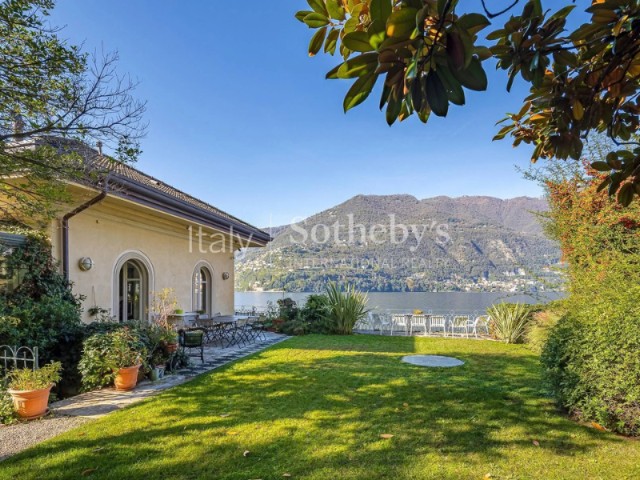
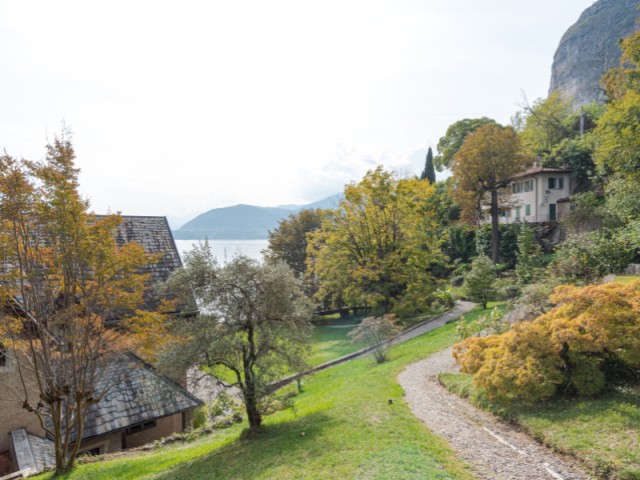
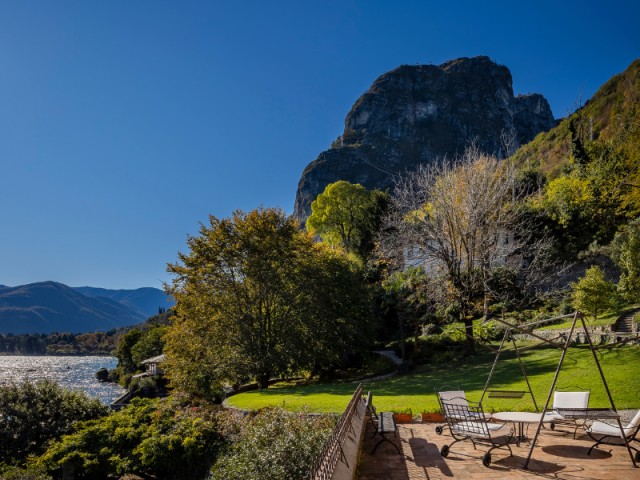
Venice and Lake Como sit just over three hours apart by rail. The collector class that travels to Venice for the Biennale openings and the autumn closing weekend is largely the same audience that holds or acquires property on Lake Como, the Italian lakes, and the historic estates of Lombardy. Property advisors who track international buyer activity in the region consistently identify Biennale years as the strongest twelve-month windows for inbound viewings of premium inventory. The mechanism is not abstract. A serious collector flying to Venice for several days of pavilion visits often extends the Italian trip to look at property elsewhere in the north.
The exhibition becomes the qualifying event for a broader cultural commitment to the country. Lake Como's waterfront inventory, fewer than 850 properties with direct shoreline rights, sees measurable lifts in serious viewings during Biennale months. The same calculus shapes hotel rates, private charter bookings, and the seasonal opening dates of restaurants in Bellagio, Cernobbio, and Tremezzina.
What Strategic Collectors Do With Biennale Years
The strongest collectors treat the Biennale as a six-month research window rather than a single weekend visit. They schedule two or three trips across the run, pair pavilion visits with gallery exhibitions in Milan and Turin, and use the calendar to consolidate Italian acquisitions. Property follows the same pattern. The buyer who decides on a Lake Como acquisition in a Biennale year is rarely making the decision in isolation.It sits inside a larger Italian cultural commitment.
In Minor Keys offers a useful frame for that pattern. The collectors who matter most are listening rather than declaring, holding rather than trading, and treating Italy as a long-term cultural position rather than a discretionary line item.