A painter with ten weeks left and a red kept thirty years out of the light: in New York, two stories about what it takes to make a painting last.
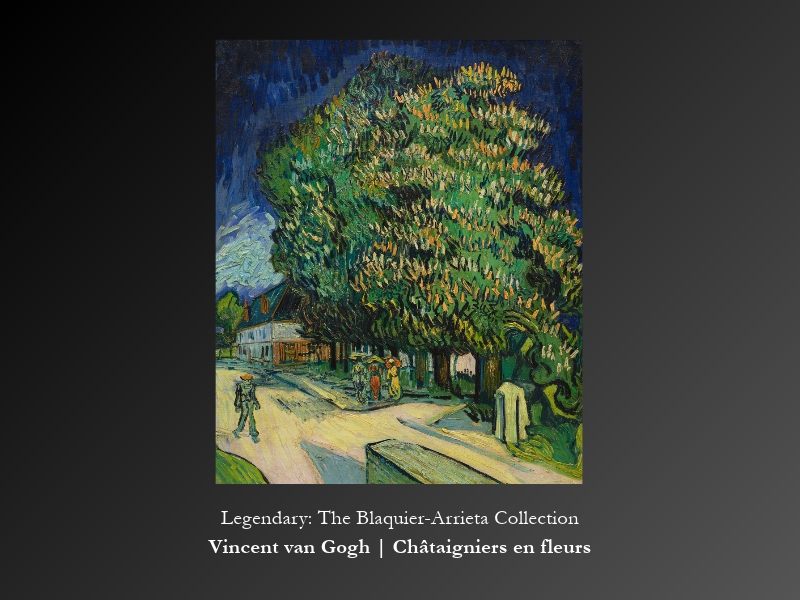
The chestnut trees were in blossom when he painted them. A few days later a storm came through Auvers-sur-Oise and tore branches from those same trees, and he went back to paint the fallen branches, close up, as if to keep what the wind had taken.
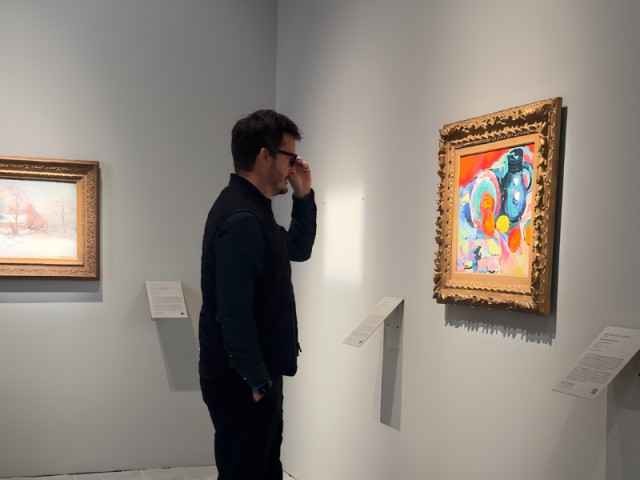
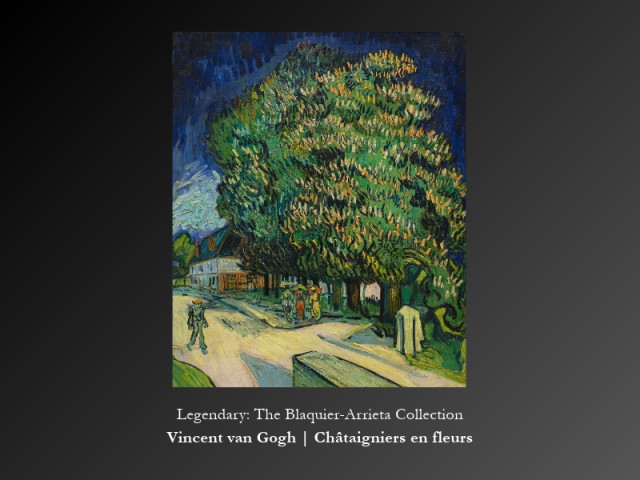
I heard this on a Friday morning in New York, standing in front of Van Gogh’s Châtaigniers en fleurs, from one of the Sotheby’s specialists who walked a small group of us through the November sales before they opened. Ten weeks after he painted it, Van Gogh was dead.
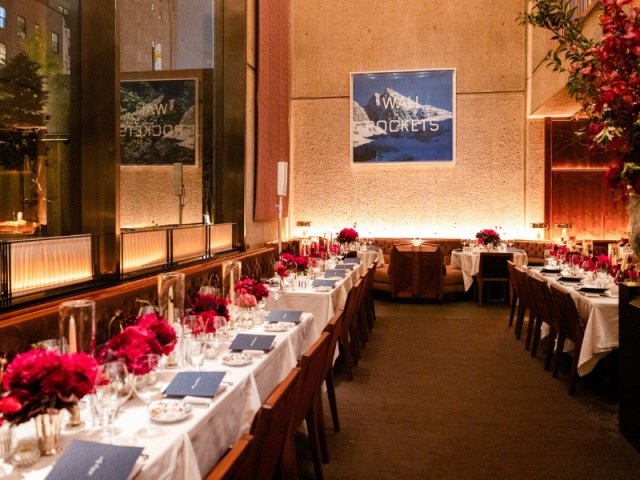
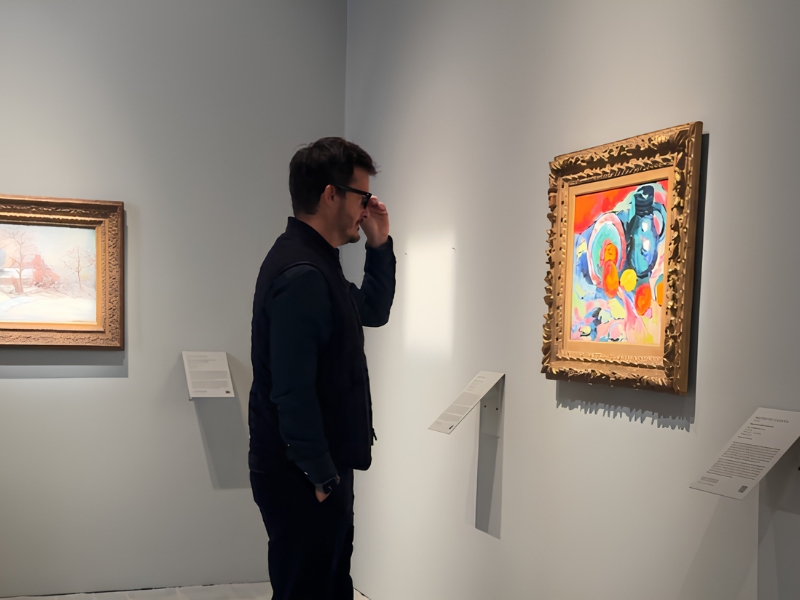
The rooms at 945 Madison Avenue held the whole of Sotheby’s New York sales for November, from Impressionism to artists working today. The specialists spoke of the paintings the way one speaks of a family’s history.
This one, they said, was the first canvas Van Gogh painted after leaving the asylum. The sky above the trees is restless, as he was. Below it walk three women drawn in a Japanese manner, and among the figures there is a rounder, almost playful one, close to a clown, that some read as the painter himself.
It is a painting of spring made by a man with very little time left. What held me was the colour, and above all the strokes in the trees: firmer than anything in the sky above them.
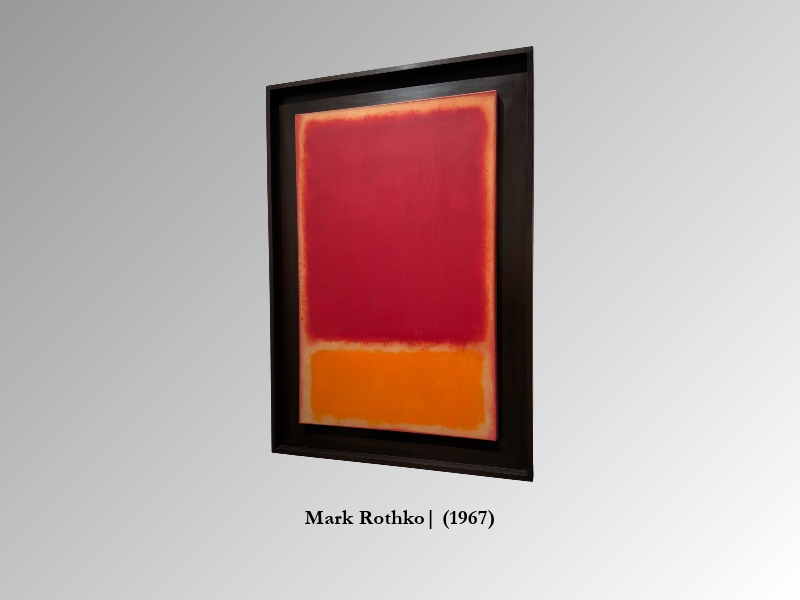
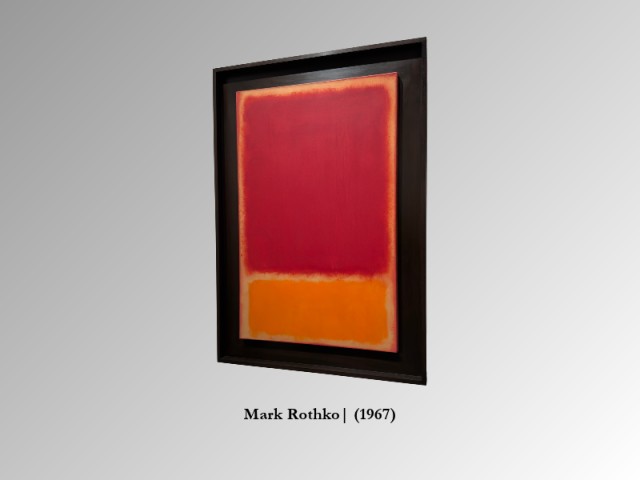
In another room hung a Rothko, red over orange, from 1967. It was the first contemporary painting Theodore and Ruth Baum ever bought. They called themselves flower children; he went on to build a business in telecommunications.
When they decided to start a collection, they wanted to start with something important, on the idea that the first painting would remain the strongest. It did not. The collection grew past the work that began it, which is perhaps what a collection is for.
What the specialists dwelt on was the preparation. Before buying, Theodore Baum studied a great many Rothkos: their dimensions, their palettes, the way each was built. The one he chose is unusual. That red is not a colour collectors tend to live with; it is difficult to place beside other things. Ruth Baum said the painting struck her at once. He had arrived at it slowly.
Then there is the corridor. For nearly thirty years the painting hung in a corridor of their home in Palm Beach, away from direct light. It shows. The colour has held, and up close the pigment is still visible in the paint, most of all towards the edges, where the composition shifts.
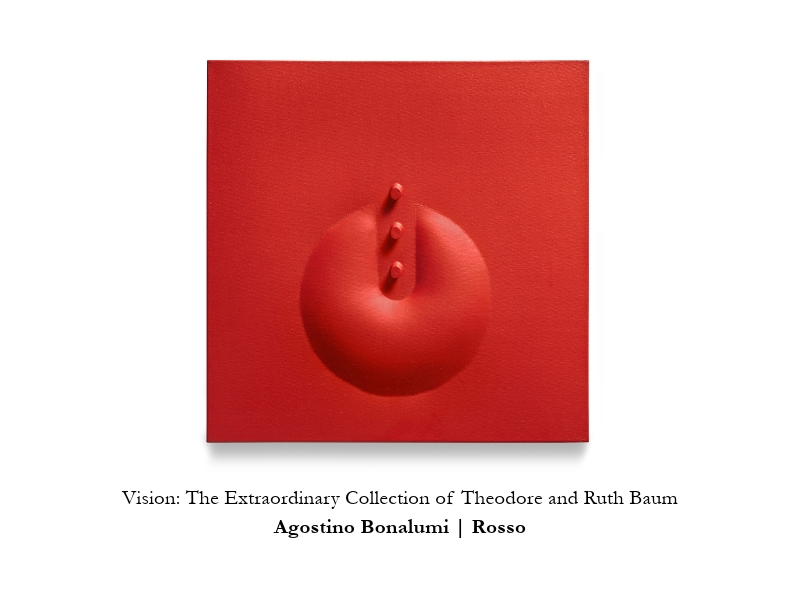
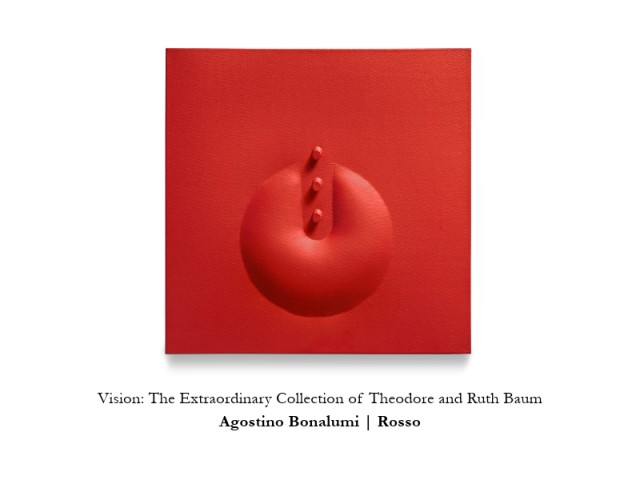
The same eye returns further on. Two shaped canvases by Agostino Bonalumi, Rosso from 1963 and Blu, came from the Baum collection too, near a Concetto spaziale by Lucio Fontana. Bonalumi worked the canvas until it rose off the wall: a painting that is also, quietly, a sculpture. In a collection that began with a red hard to place, there is another red that refuses to stay flat.
Van Gogh had ten weeks. The Rothko has had more than half a century, and much of what it is today it owes to a corridor. A painting lasts because someone studies it before choosing it, and then keeps it out of the light that would fade it. The second task is less visible than the first, and it matters more.
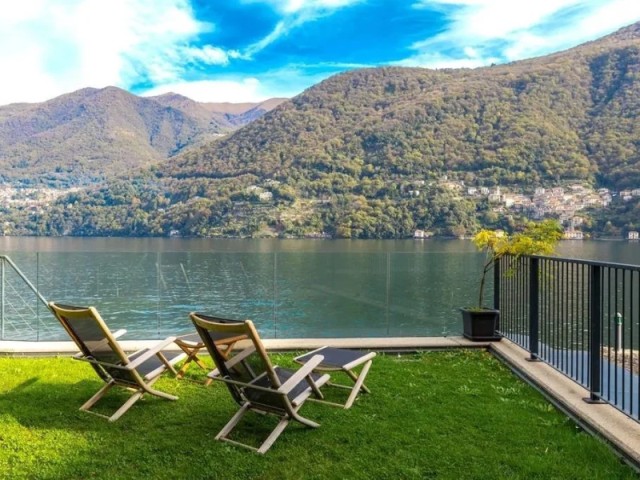
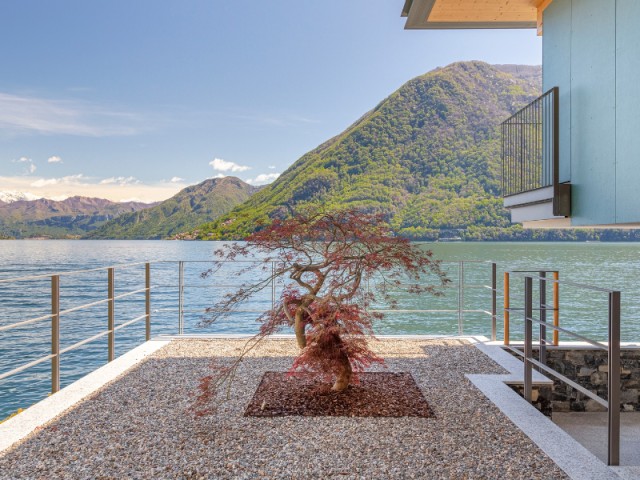
Two American collectors, and on their walls a thread of Italian work. I came back to the lake thinking about corridors. A villa on the first basin is kept the same way: by people who choose slowly, and then protect what they chose.