Why 350-year-old trees define permanence and heritage
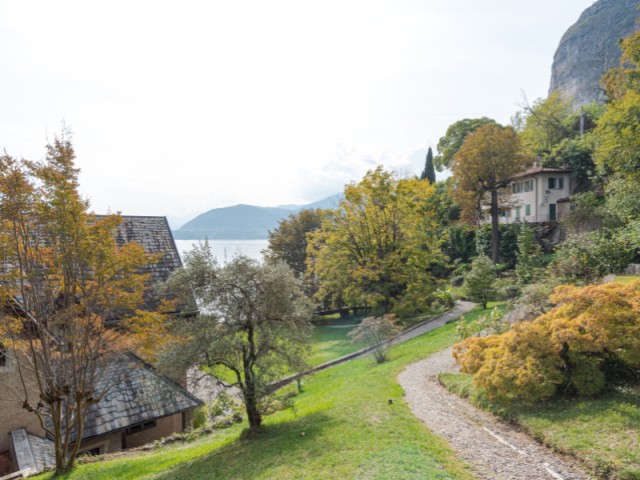
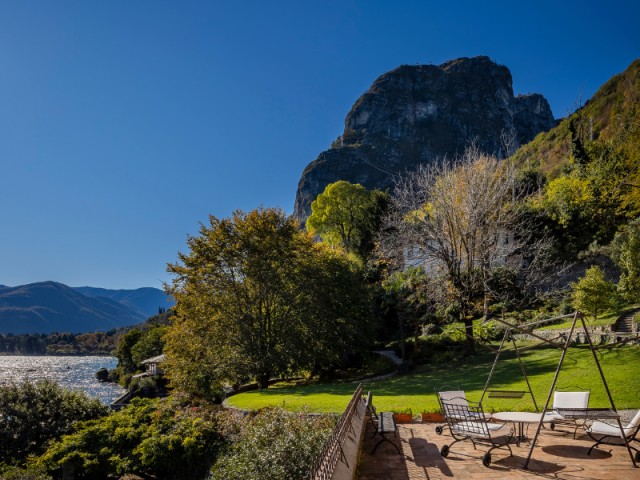
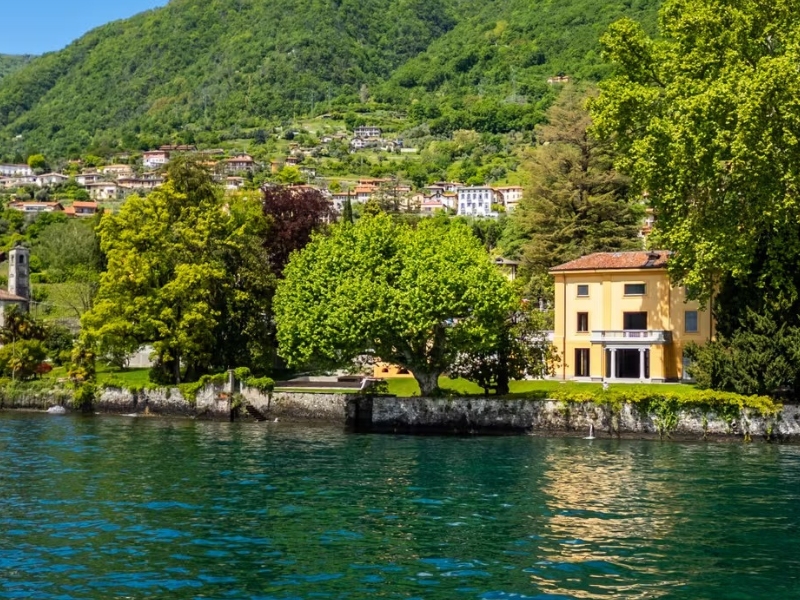
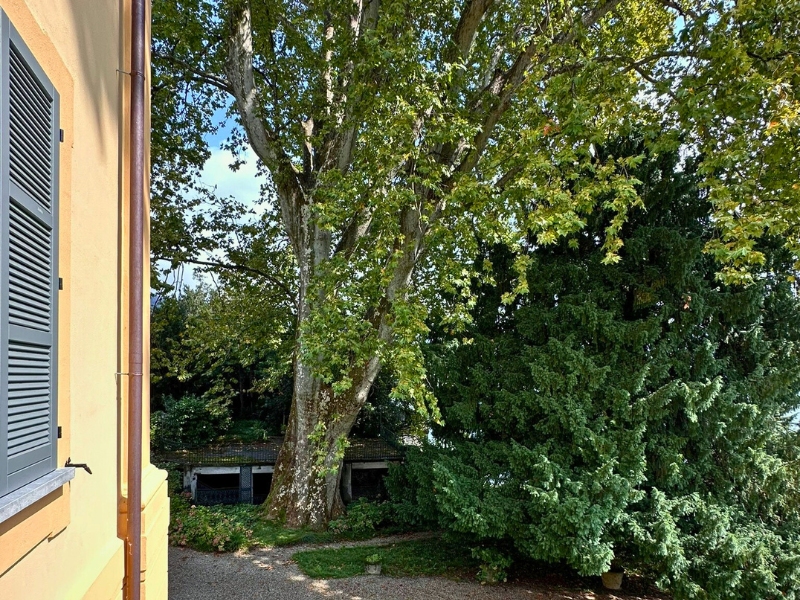
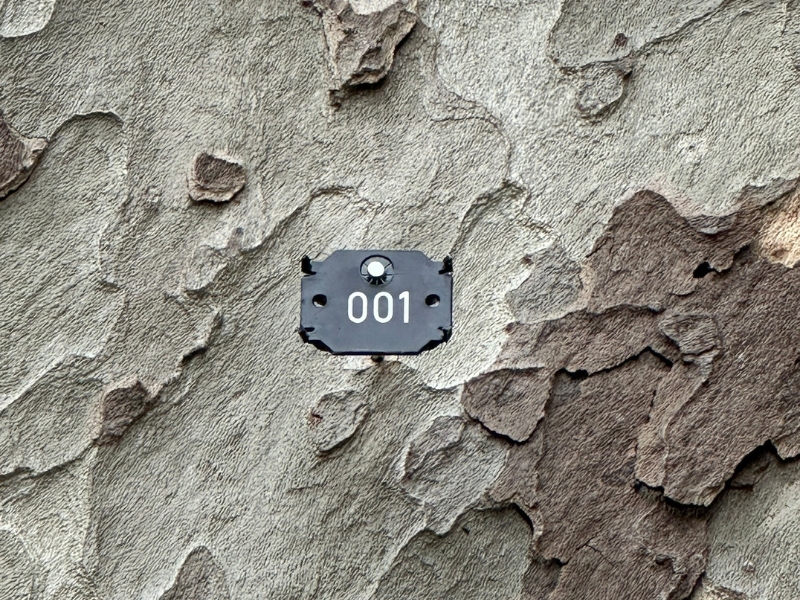
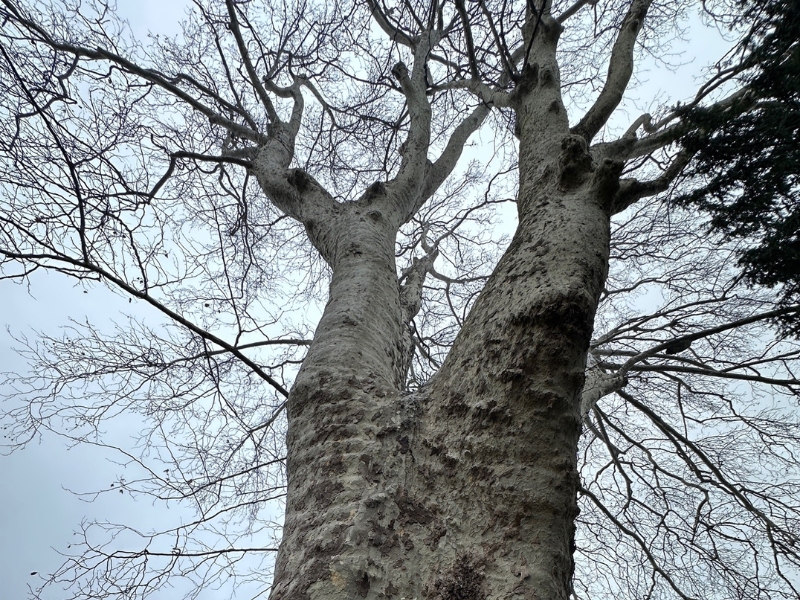
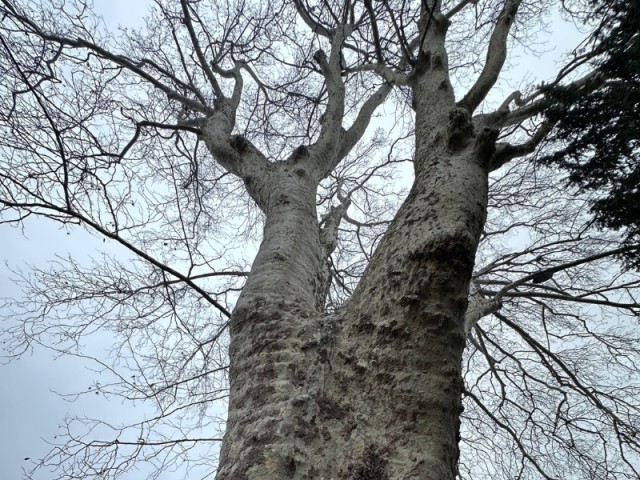
Approaching Villa I Platani from the water, the first element that draws the eye is the line of monumental plane trees along the shoreline. Several stand with quiet authority, yet one in particular dominates the scene. Estimated at more than 350 years old, these trees predate the villa by nearly two centuries, planted long before 1859. Their trunks carry the marks of time, their branches open to the sky, and together they form a living archive of everything this land has witnessed.


Most historians attribute their planting to the Brentano family, Italian-German merchants who owned the estate across the 17th and 18th centuries. Their landscaping choices reflected the culture of the era, when plane trees symbolised refinement, permanence, and ambition. It was the same period in which Napoleon, fascinated by order and civic grandeur, commissioned thousands of plane trees in Milan and Monza. The presence of these trees at I Platani ties the estate not only to a family lineage, but to a wider cultural tradition that shaped Northern Italy.
Other renowned estates on the lake, such as Villa Balbiano, share this sense of natural gravitas. Yet while Balbiano’s gardens follow a formal axis, the trees at I Platani grow with a certain liberty. This difference is understated but meaningful. It reveals a property with character rooted in authenticity rather than design.
When Nature Becomes the Defining Amenity
Across the lake, many properties showcase curated gardens and manicured grounds. They are beautiful, yet they are created. The ancient plane trees at I Platani are not. They carry a weight and presence that no new planting could ever replicate. They are part of the land’s identity, not an aesthetic layer placed upon it.
Their value goes far beyond their visual impact. They cast generous shade in summer, act as a natural windbreak, and create an atmosphere that is unmistakable: stillness, strength, continuity. They bring a sense of harmony that cannot be engineered. They offer the kind of energy that only time can produce.
This is the real power of nature in a significant property. It’s not decorative. It’s foundational. It deepens the narrative, anchors the identity of the estate, and elevates its meaning for anyone who becomes its next steward.
In a region already defined by history, the monumental trees of Villa I Platani stand out as a natural landmark. They are the estate’s soul, a rare and irreplaceable presence that connects past, present, and future. Their message is simple and timeless: the most valuable elements of a property are those shaped slowly, patiently, across generations.