Beyond renovation: How the conversion of historic, non-residential buildings is creating Europe’s most unique homes.

There is a profound shift occurring in the world of high-value real estate. Today, the ultimate statement of worth is no longer the new build. It is the narrative of transformation. This is the essence of Adaptive Reuse (AR): the architectural process of repurposing an existing, often historic, building for a function different from its original intent. In heritage rich markets like Italy, AR is the only sustainable and authentic path to creating genuinely irreplaceable assets.
The Imperative of Sustainability and Scarcity
The global embrace of Adaptive Reuse (AR) is driven by two compelling factors. Environmentally, AR aligns perfectly with the principles of the circular economy
By reusing the original structure, the environmental impact and energy consumption inherent in demolition and new construction are significantly reduced. Economically, especially in places like Lake Como, land is finite. AR is the practical necessity for creating "new" inventory where undeveloped land is non-existent, making assets like former convents, customs halls, or industrial spaces suddenly highly valuable.
For the discerning buyer, the appeal transcends sustainability:
- AR preserves the original building’s cultural heritage and story, offering buyers a legacy property that can never be replicated
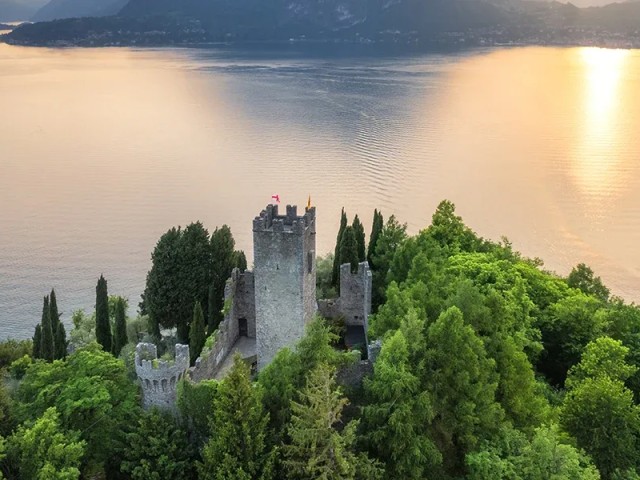
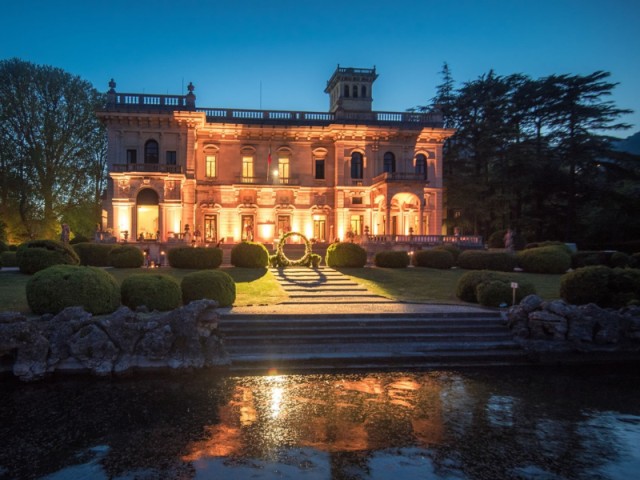
- The structural limitations of a historical building, a chapel, a military fort, or a 19th-century royal retreat villa, force creative design, resulting in highly bespoke and unique residential or hospitality spaces.
The Strategic Transformation: From Obsolete to Iconic
Successful AR projects like the conversion of Venice's Punta della Dogana into a contemporary art museum or the reimagining of historic villas near Venice into boutique hotels follow a clear strategic mandate which is to preserve the soul while enhancing the function.
This involves:
- Preserving the Integrity: Maintaining the historic façade, structure, and original materials.
- Integrating Modernity: Subtly installing modern amenities like smart home systems, energy-efficient HVAC, and spa facilities into period architecture.
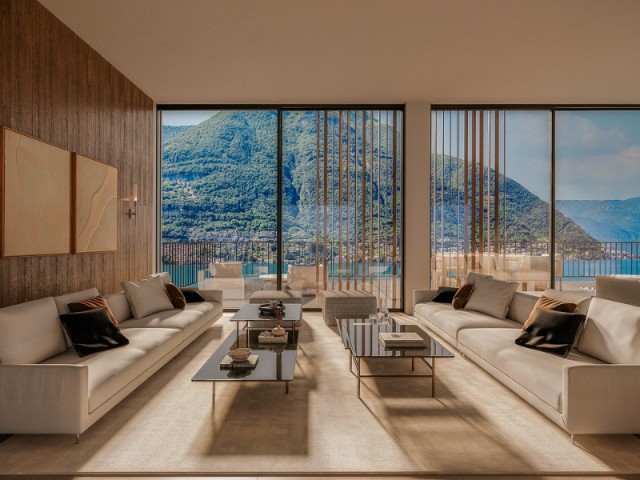
- Creative Repurposing: Transforming grand, high-ceilinged spaces (like former libraries or industrial halls) into contemporary kitchens, primary suites, or private galleries.
This delicate balance is what commands a premium. It requires deep expertise to navigate the legislative, structural, and regulatory hurdles inherent in working with protected heritage.
The Ultimate Bet on Provenance
In markets like Lake Como, where every property is a piece of art history, Adaptive Reuse is the ultimate strategic play. You are not investing in a building; you are investing in the conservation of a cultural landmark and its capacity for reinvention. The challenge is complex, requiring a high level of planning diligence and architectural sensitivity.
However, the reward is unmatched. By tackling the structural and legislative challenges of AR, investors create assets that are inherently future-proofed. They are both a sustainable choice and a powerful statement of taste. This is the difference between purchasing square footage and securing a piece of enduring, cultural legacy.